


Ventilation fans generally operate with low power consumption, and most models use on average between 20 and 120 watts of electricity. This value varies depending on the size of the fan, motor efficiency and duration of use. A household fan often consumes about as much energy as a light bulb, while larger workshop or industrial models may draw significantly more power.
Knowing the watt rating of the fan you use makes it easier to calculate its impact on your electricity bill. For example, running a 50-watt fan for a few hours a day results in a very low cost at the end of the month. The energy labels and technical data sheets provided by manufacturers offer the clearest information in this regard.
Another factor that affects energy consumption is the operating speed and maintenance of the fan. A dusty, poorly maintained or low-efficiency motor may draw more power. Regular cleaning, correct speed settings and choosing a model with suitable capacity not only provide better air circulation but also keep consumption to a minimum.
How Is the Actual Power Consumption of Ventilation Fans Calculated?
The power consumption of ventilation fans can be easily understood by looking at the watt rating of the device. When the watt value stated on the manufacturer’s label is multiplied by the operating time, it gives a clear figure for consumption. This method also provides a reliable basis when comparing the costs of different fan types.
Taking daily or monthly operating time into account reveals the impact on your electricity bill. For example, even if a low-wattage model runs for long periods, it generally results in a reasonable level of consumption. Adding the unit price of electricity to this calculation provides a more realistic view of the total cost.
Fan characteristics also affect the calculation. An efficient motor design, proper speed settings and regular maintenance can reduce the power required by the device. A consumption analysis carried out with a good understanding of the technical data helps both in selecting the right device and in keeping energy use under control.
How Do Watt Ratings Differ Between Domestic and Industrial Fans?
Fans used in homes typically operate with low power ratings and generally consume between 20 and 80 watts on average. These devices, preferred in smaller living spaces, are quite economical in terms of energy use thanks to their lightweight design and simple motor structure. The fact that they do not need high power to provide sufficient air circulation creates a clear advantage in daily use.
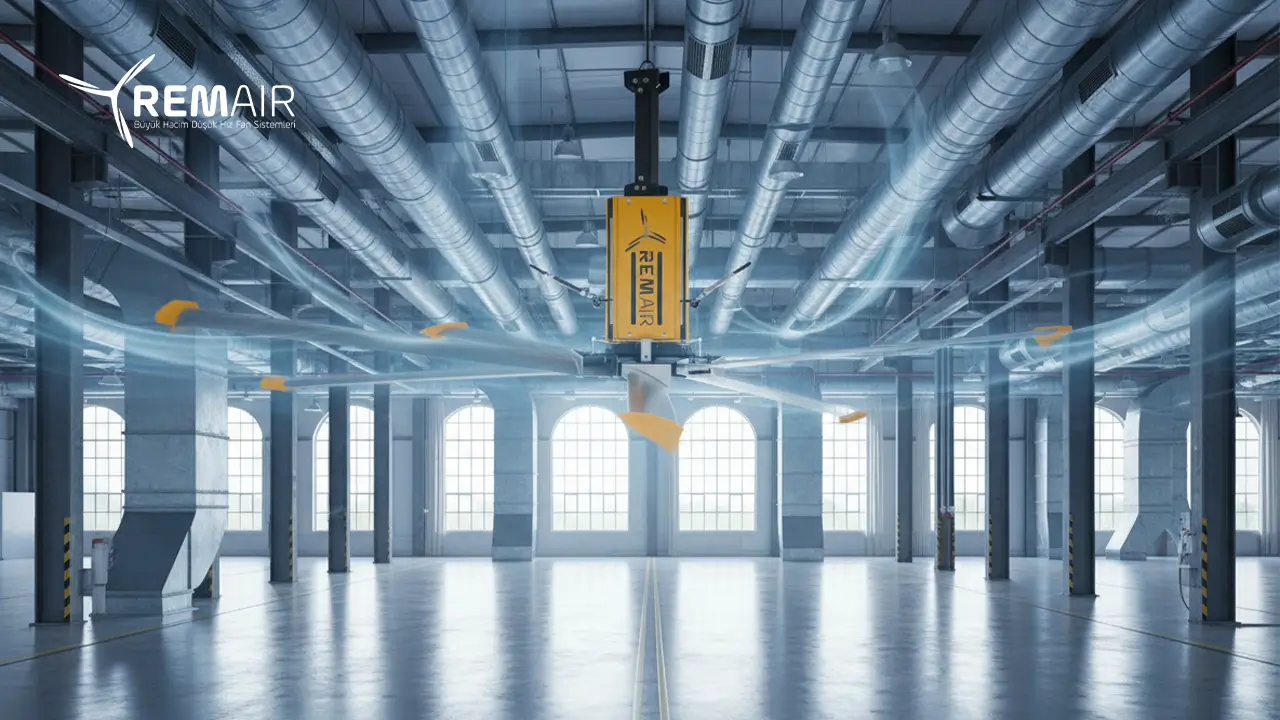
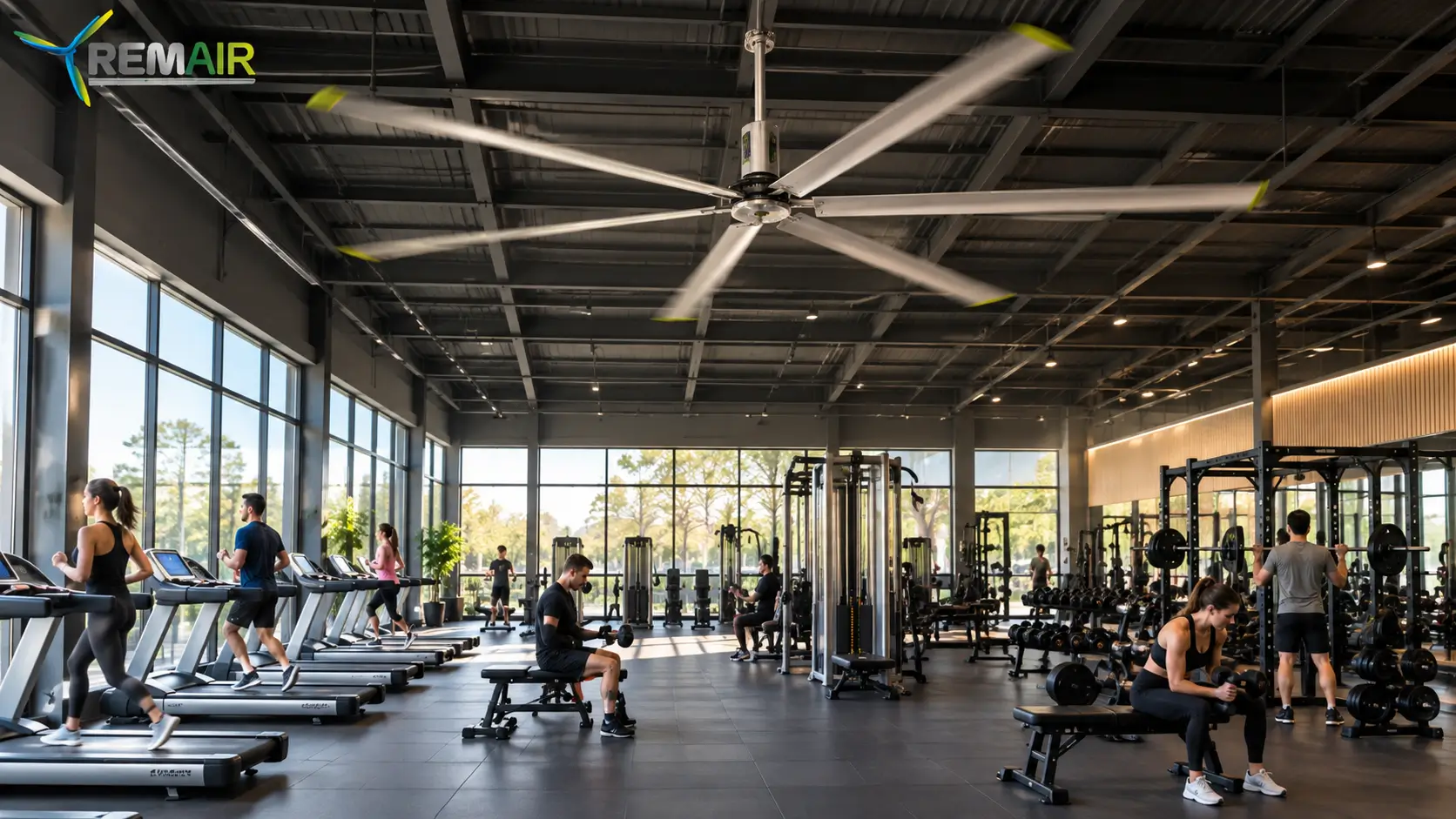
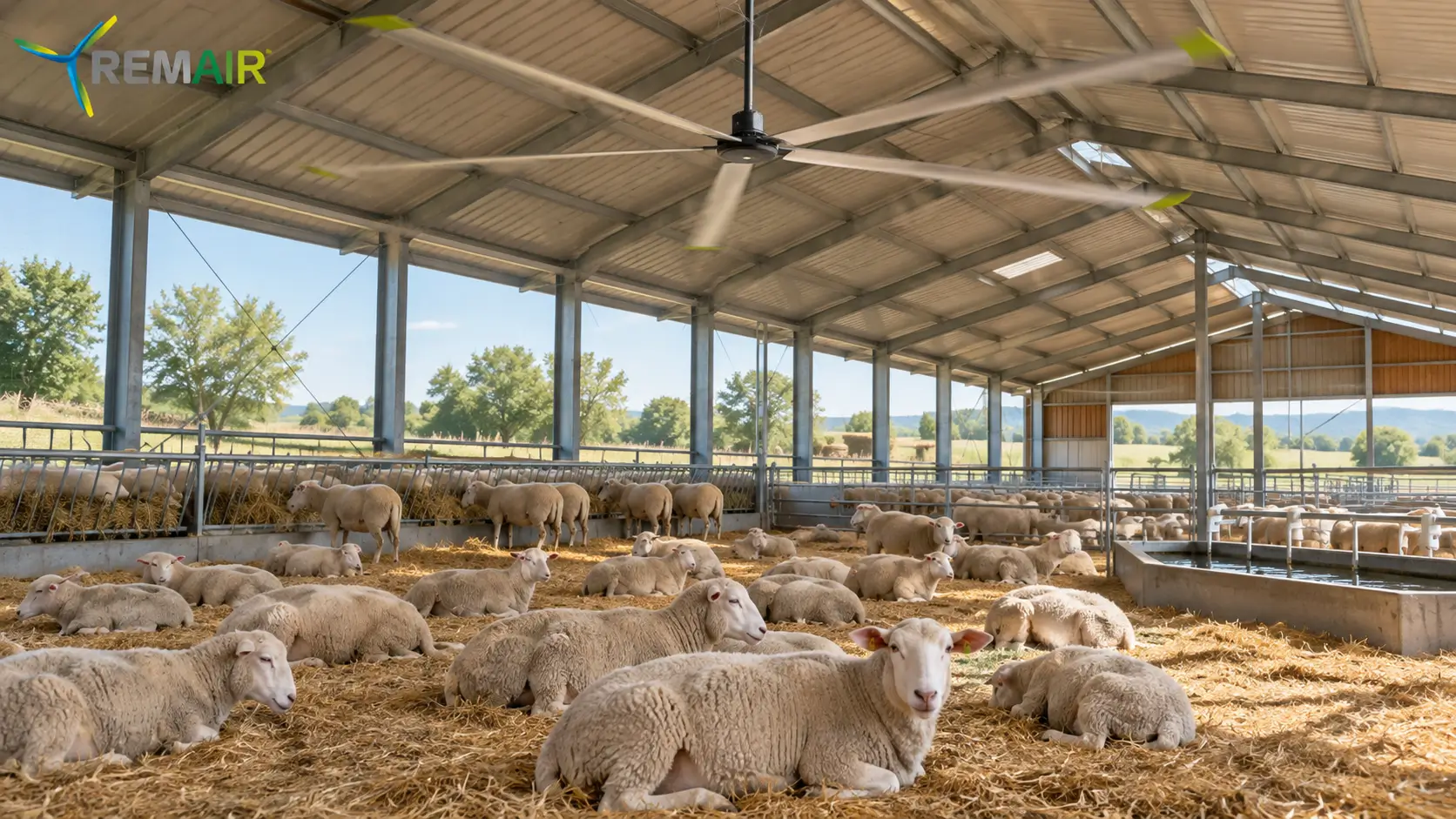
Fans in the industrial class, however, are equipped with more powerful motors because they are designed for much larger areas. For this reason, their consumption typically starts at around 150 watts and can reach several hundred watts. As the size of the area and the demand for airflow increase, the power requirement rises as well. This difference clearly shows how important it is to choose a model with the right capacity for the intended application.
What Should You Consider When Choosing an Energy-Efficient Ventilation Fan?
Choosing an energy-efficient ventilation fan requires attention to several points that are important both for reducing consumption and achieving stable long-term performance. Understanding the technical specifications not only lowers your bill but also ensures healthier airflow. Therefore, the fan’s power output, motor technology and overall operating efficiency should be assessed carefully.
Key points to consider
- Providing sufficient airflow (airflow rate) despite a low watt rating
- Having an energy-class label in a high-efficiency category
- Quiet operation that supports overall motor efficiency
- Availability of control features such as an automatic timer
- High-quality materials that extend motor life
- A design that allows easy maintenance
When a model that meets these criteria is selected, everyday use becomes much more comfortable. Consumption is reduced while air circulation in the living space is maintained at a healthier level. A properly selected fan also provides a financial advantage to the user thanks to its long service life and stable performance.
How Is the Power Consumption in Quiet Fan Models?
Quiet fan models are generally designed with low watt ratings, which allows them to maintain a very balanced profile in terms of energy consumption. Their motor structures are optimized so that efficiency is high and noise-reduction technologies do not increase power usage. As a result, they provide quiet operation without causing unnecessary energy loss. These models, often preferred for home use, create a comfortable environment while keeping electricity consumption at a reasonable level.
When the operating speed is adjusted, the amount of consumption also changes, but since quiet modes usually run at the lowest power levels, the electricity cost remains minimal. This is particularly advantageous for night-time or extended use. When an efficient motor system is combined with the generated airflow, the result is a user experience that is both economical and unobtrusive.
How Does Poor Maintenance Affect the Power Consumption of Fans?
A fan whose maintenance has been neglected causes the motor to demand more power. Dust and dirt accumulated on the blades make it harder for air to move, so the motor must work harder to deliver the same performance. This not only increases consumption but also reduces the efficiency of the fan. When regular cleaning is not carried out, the stable operating pattern of the device is disrupted and energy use rises uncontrollably.
A lack of lubrication or worn parts also impose additional load on the motor. As friction increases, the motor’s rotational capacity decreases and higher power consumption results. If this continues over a long period, the fan’s service life may be shortened and the likelihood of frequent breakdowns increases. Therefore, maintenance is critical not only for performance but also for reducing energy costs.
A regularly inspected fan, on the other hand, achieves both quieter and much more economical operation. Clean blades, correct speed settings and a sound motor structure together create an ideal energy profile. The efficiency gained through these simple maintenance practices offers a clear advantage to the user in terms of both comfort and savings.
The Energy Advantage of Timer-Controlled Fans
Timer-controlled fans reduce unnecessary energy use by precisely controlling operating time. When the set duration expires and the fan switches off automatically, it provides significant savings, especially in areas such as bathrooms and kitchens where short-term ventilation is sufficient. Because this structure establishes the correct operating cycle without user intervention, energy performance remains consistently stable.
The timing feature ensures that the device runs only during the periods when it is actually needed. It offers more regular operation compared with manual use and eliminates the extra cost on the bill from devices that are left on for too long. In addition, operating at a constant speed for the set duration helps the motor perform its task efficiently. This results in ventilation that is both safe and economical.
Such fans offer a convenient solution in a busy lifestyle while also supporting the conscious use of energy resources. The timer system, which prevents unnecessary power consumption, creates a significant cost advantage in the long term. In this way, you achieve an eco-friendly mode of use and a more controlled air circulation pattern in living spaces.
Practical Ways to Reduce the Power Consumption of a Ventilation Fan
Reducing the consumption of ventilation fans becomes quite easy with the right usage habits. Keeping the speed setting at a level suitable for the room prevents unnecessary power loss. Regular maintenance helps the motor operate smoothly and prevents performance from declining. These small steps provide noticeable improvement in electricity usage.
Practical ways
- Choosing the speed setting according to the needs of the environment
- Running the fan only for as long as necessary
- Preferring models with a timer function
- Cleaning the blades and grille at regular intervals
- Using models with an efficient motor design
- Checking any faults that increase noise levels without delay
When these suggestions are applied, the device’s overall operating pattern becomes healthier and energy consumption naturally decreases. This process, which starts with small improvements, contributes to your budget in the long term and creates more balanced air circulation in your living space.
Frequently Asked Questions About the Power Consumption of Ventilation Fans
1. Does a ventilation fan use a lot of electricity while running?
Generally, no. Since household models operate with low watt ratings, they do not place a significant burden on your bill even if they are left on for long periods.
2. What does the watt rating of a fan mean?
This value indicates the amount of power the device consumes in one hour of operation. As the watt rating increases, consumption also rises.
3. Does a quiet fan consume less electricity?
Most quiet models are produced with efficient motors, so when they run at low levels they generally consume less power.
4. Does switching the fan on and off frequently during the day increase energy use?
Short on/off cycles may put some strain on the motor but do not dramatically increase overall consumption. What matters more is avoiding leaving the device on unnecessarily for long periods.
5. Why do industrial fans consume more than those used at home?
Because they have more powerful motors and require higher power to deliver strong airflow in large spaces.
6. Does running the fan at low speed provide savings?
Yes. Lower speed settings allow the motor to draw less power and reduce total consumption.
7. Does keeping the fan clean really make a difference?
Yes. Dusty blades can strain the motor and increase energy consumption. Regular cleaning supports both performance and savings.
8. Will using a timer-controlled model reduce my bill?
Definitely. Because it eliminates unnecessary operating time, it offers significant savings.
9. Does the age of the fan increase its consumption?
Efficiency can decline over time, and the motor may begin to draw more power. If no maintenance is performed, consumption can noticeably increase.
10. Is a low watt rating the only criterion when choosing an energy-efficient fan?
No. Airflow rate, motor quality and speed options are at least as important as the watt rating. Low consumption and good performance should be evaluated together.

Leave a Comment