
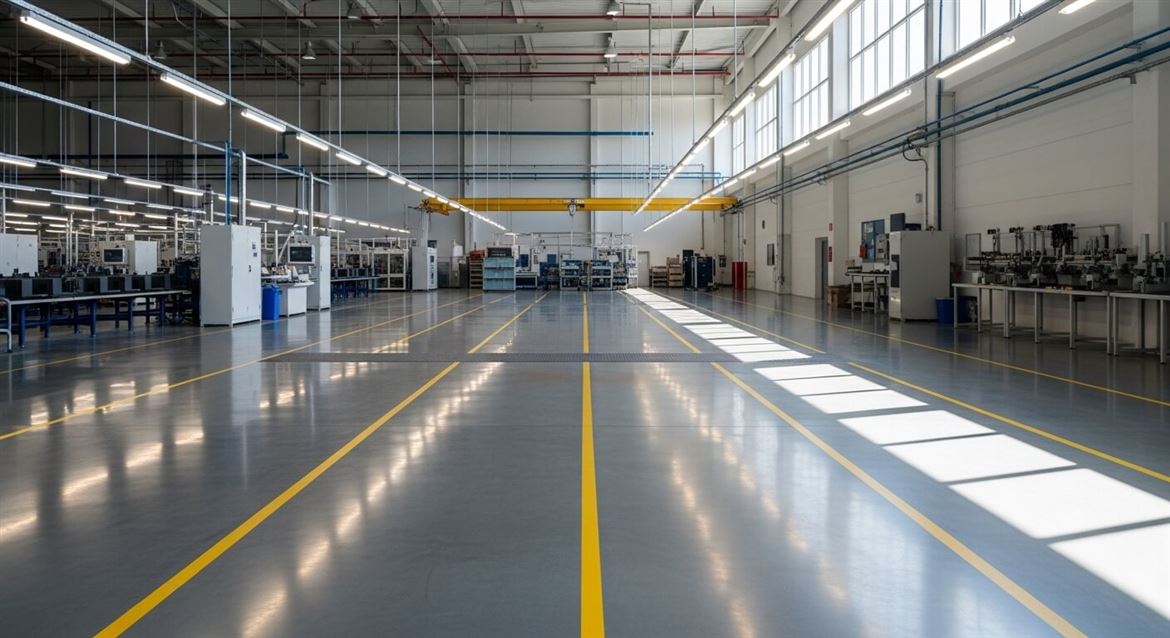
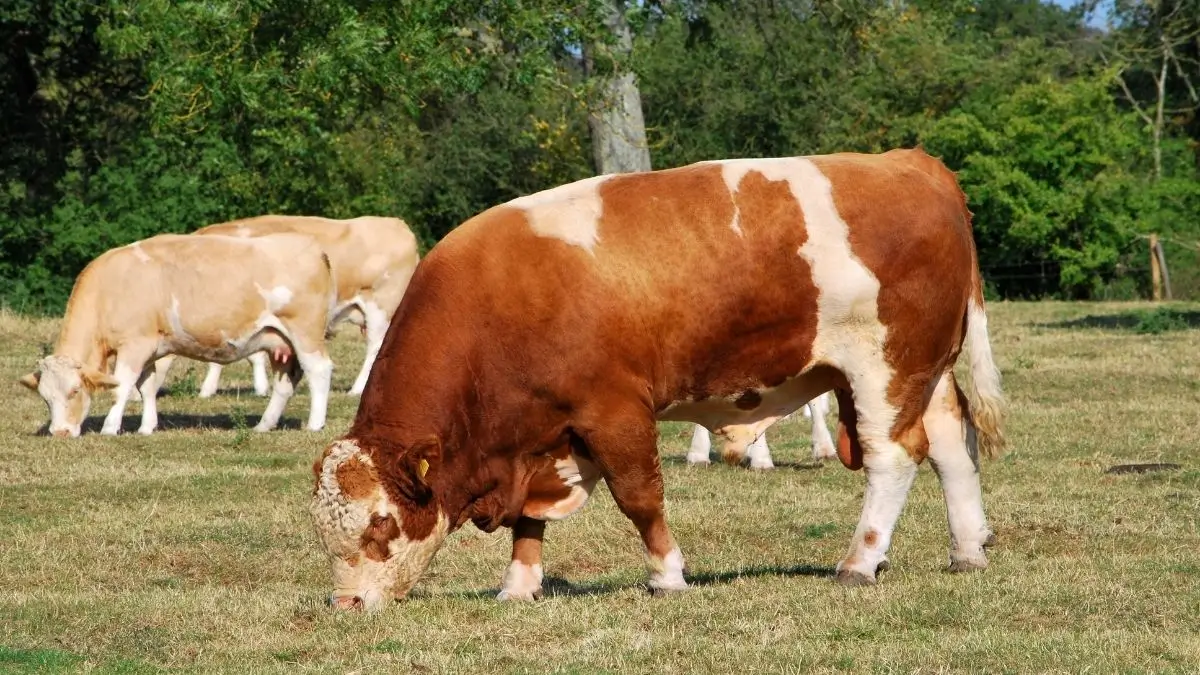
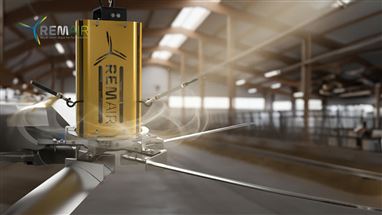
Energy efficiency in ventilation systems is achieved through the combined use of proper design, high-quality equipment selection, and smart control technologies. When the system is programmed to operate only in the required times and areas, energy consumption is minimized. Preventing excessive air circulation reduces operating costs and contributes to environmental sustainability.
One of the most important elements that enhance energy efficiency in modern ventilation systems is automation technology. Ambient temperature, humidity, and air quality are continuously monitored with sensors. Based on this data, the system activates only when needed. This intelligent management prevents energy losses while maintaining indoor comfort.
Periodic maintenance and filter cleaning ensure the continuity of efficiency. Clogged filters or poorly maintained fans cause the system to consume more energy. With regular inspections and cleaning, airflow is kept balanced, motors are less strained, and the system becomes more durable. Energy efficiency should be supported not only by technology but also by regular maintenance and proper usage habits.
The Importance of Proper Design in Ventilation Systems for Energy Efficiency
A high-efficiency ventilation system begins with the correct design process. When planning the system, the goal should not only be to ensure air circulation but also to minimize energy losses. Designs made without analyzing the size of the area, air change rate, heat load, and production processes reduce efficiency and increase operating costs. Therefore, the design stage is one of the most critical steps of the project.
When duct layout, fan placement, and air outlets are positioned correctly, the system's energy consumption decreases significantly. Keeping air resistance low allows motors to use less power. Additionally, balanced distribution of airflow helps maintain a uniform indoor temperature, which provides advantages both in energy savings and employee comfort.
Integrating energy recovery systems during the design phase creates a major difference in sustainability. With heat exchangers or sensor-supported automation systems, energy loss is minimized. A properly planned ventilation infrastructure should be designed to meet not only today’s needs but also future requirements of the facility. This approach forms the foundation of an environmentally friendly and economical solution.
Effective Ways to Increase Efficiency Through Filter and Fan Maintenance
Filter and fan maintenance is one of the key factors directly affecting energy efficiency in ventilation systems. Filters that are not checked regularly become clogged over time, restricting airflow and causing motors to consume more energy. Similarly, dirty fan blades weaken air circulation and reduce system performance. Therefore, maintenance is not only important for hygiene but also essential for energy savings and system longevity.
Effective ways to increase efficiency through filter and fan maintenance:
- Regular cleaning or replacement of filters: Ensures smooth airflow and helps the system operate without strain.
- Routine cleaning of fan blades: Reduces dust buildup, maintains air volume, and lowers motor load.
- Monitoring air pressure: High pressure levels indicate early filter blockage.
- Lubricating motor bearings: Prevents friction-based energy losses and extends motor lifespan.
- Establishing a professional maintenance plan: System performance is monitored regularly, and potential failures are identified early.
Regular maintenance preserves system performance and prevents unnecessary energy consumption. These practices not only reduce operational costs but also improve indoor air quality. Prioritizing filter and fan maintenance ensures long-term system efficiency and supports a sustainable energy management approach.
Key Points to Consider in Airflow and Duct Design
Airflow and duct design are among the most critical factors determining the performance and energy efficiency of ventilation systems. Incorrectly sized or poorly placed ducts cause pressure losses and unnecessary energy consumption. Therefore, airflow direction, velocity balance, and duct structure must be arranged according to engineering principles. A properly designed duct structure ensures balanced air distribution and contributes to long-lasting system performance.
Key points to consider in airflow and duct design:
- Correct duct sizing: Oversized or undersized ducts negatively affect air velocity and cause energy loss.
- Short and simple duct routes: Unnecessary bends and long paths reduce air pressure.
- Balanced airflow and air volume: Ensures equal air distribution and prevents temperature differences.
- High-quality insulation: Prevents heat loss and reduces energy consumption.
- Leak-proof connections: Air leaks cause energy loss and reduced efficiency.
- Strategically placed air outlets: Ensures effective air distribution.
A duct design that provides balanced airflow increases system efficiency and maintains indoor comfort at the highest level. This approach reduces energy costs in the long term and minimizes wear on system components. Carefully conducted engineering calculations during the planning phase lay the foundation for an efficient and sustainable ventilation infrastructure.
Ventilation System Savings in Barns
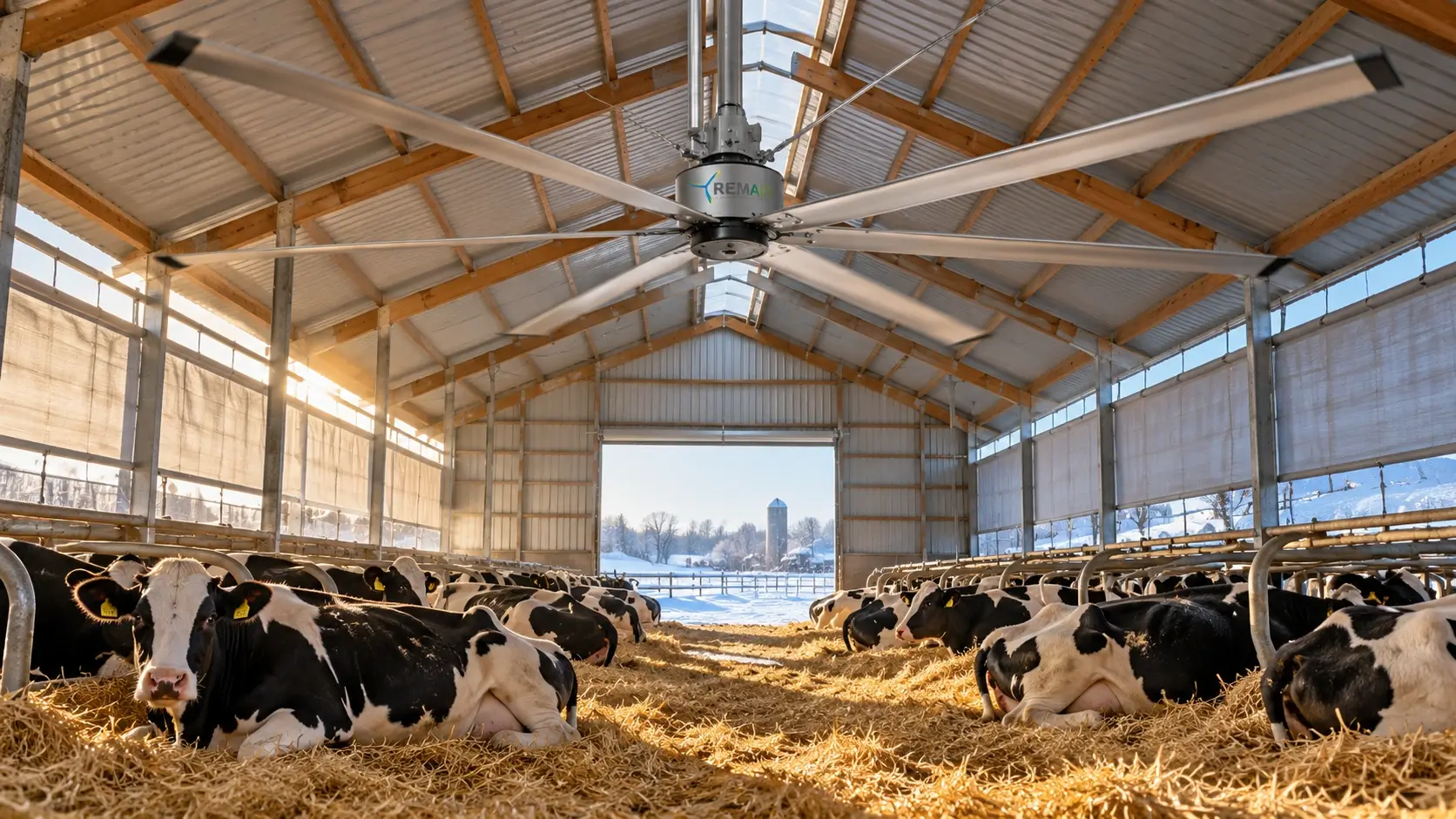
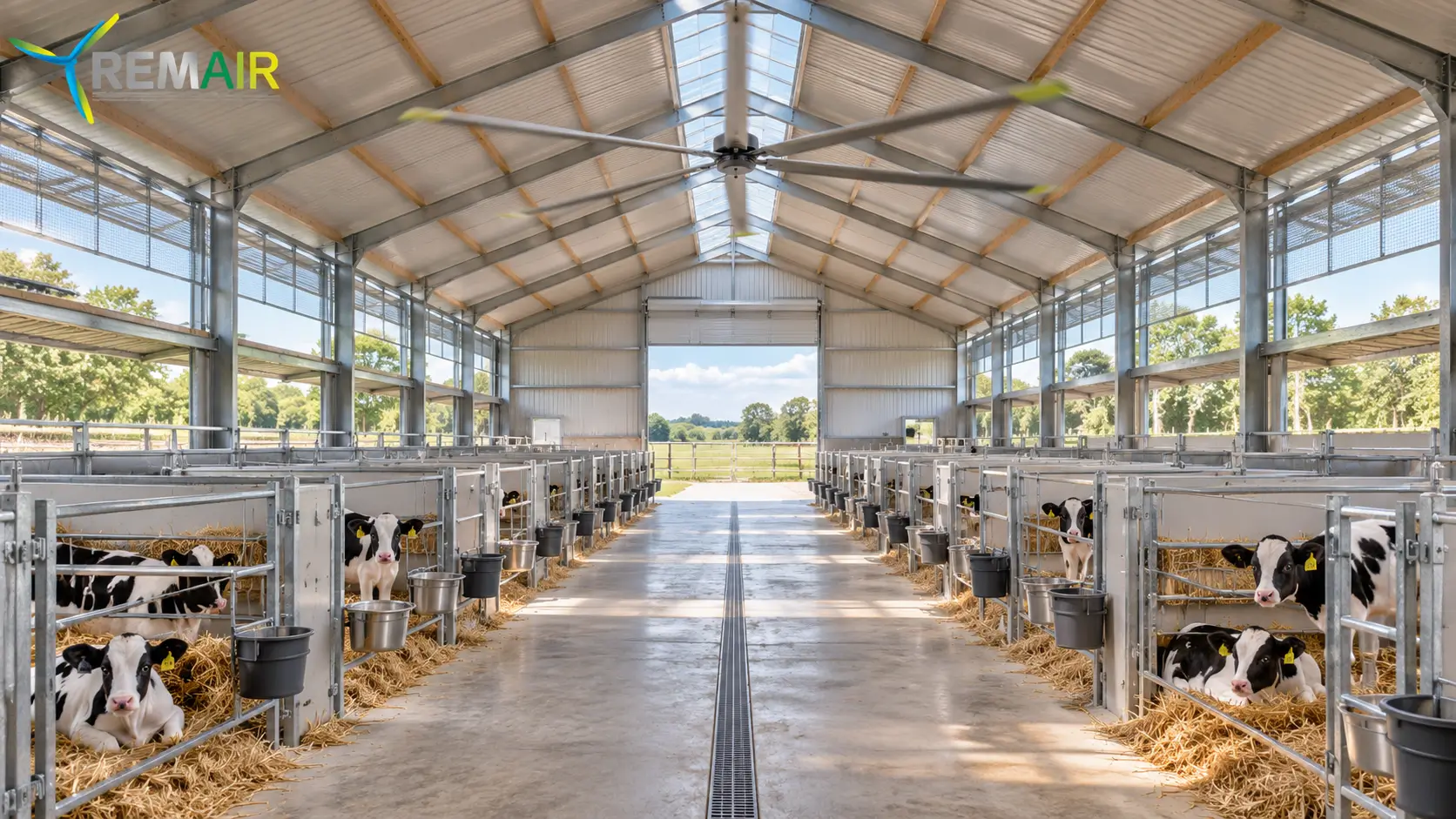
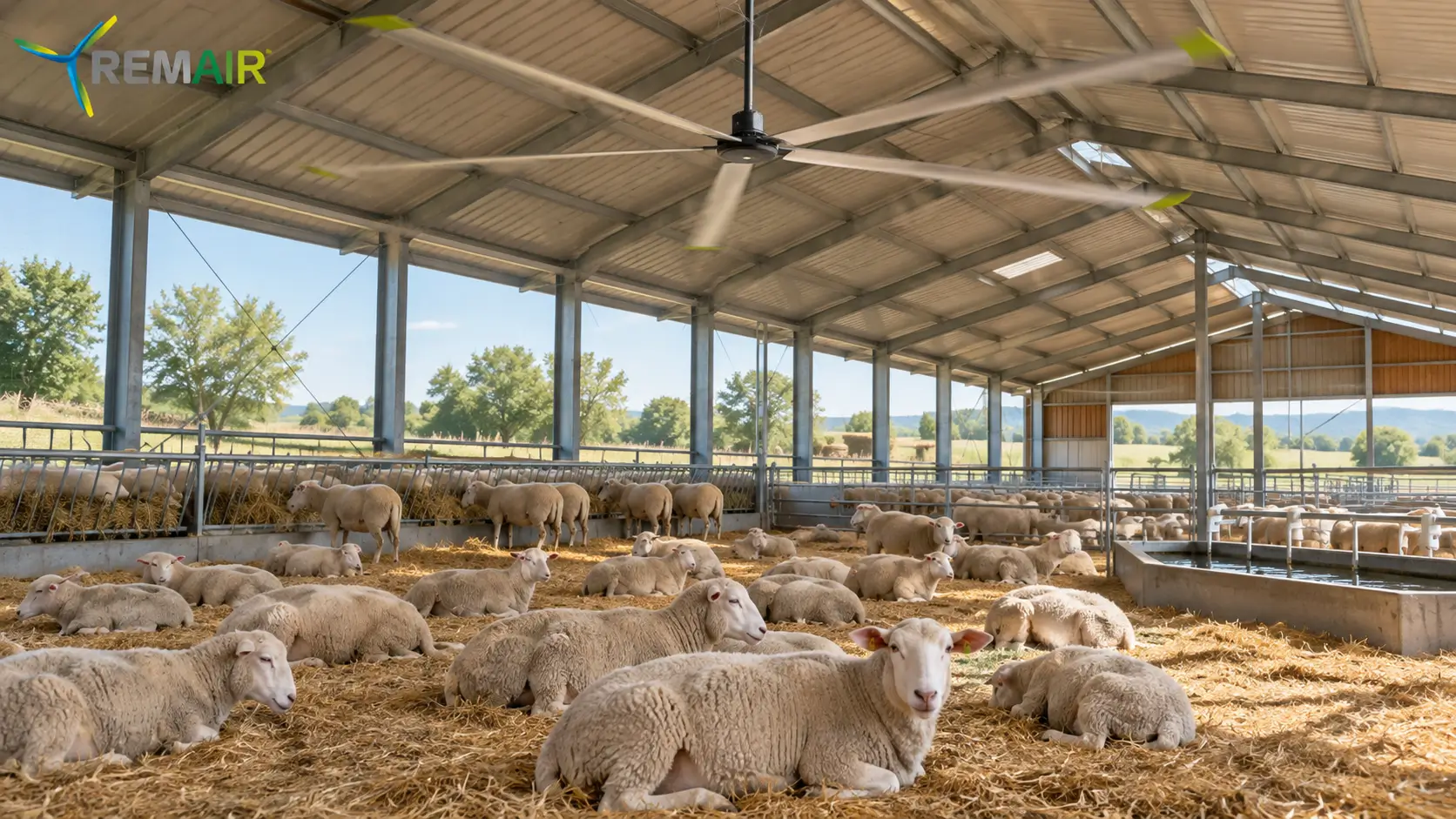
Ventilation systems in barns are crucial for both animal health and energy savings. Accumulation of ammonia, humidity, and heat in enclosed spaces decreases animal productivity and complicates maintenance conditions. Therefore, choosing the right ventilation system helps maintain a healthy environment while reducing operational expenses. Especially in modern farms, helicopter fans meet this need in the most efficient way thanks to their high air circulation capacity.
Helicopter fans renew the air in large barns quickly due to their wide blade structure. These fans offer high performance with low energy consumption and create continuous fresh airflow. They reduce heat stress during summer and maintain humidity balance in winter, improving animal comfort. Additionally, their quiet operation prevents disturbance to animals while inverter motor systems ensure energy savings and minimize operating costs.
To enhance energy efficiency in barn ventilation, integrating helicopter fans with automation systems offers a major advantage. Sensor-assisted control mechanisms automatically adjust fan speed based on temperature and humidity. This prevents unnecessary energy usage and allows the system to activate only when needed. Such intelligent operation provides an eco-friendly solution and significant long-term savings for farm operations.
Why Are Helicopter Fans One of the Most Efficient Ventilation Systems?
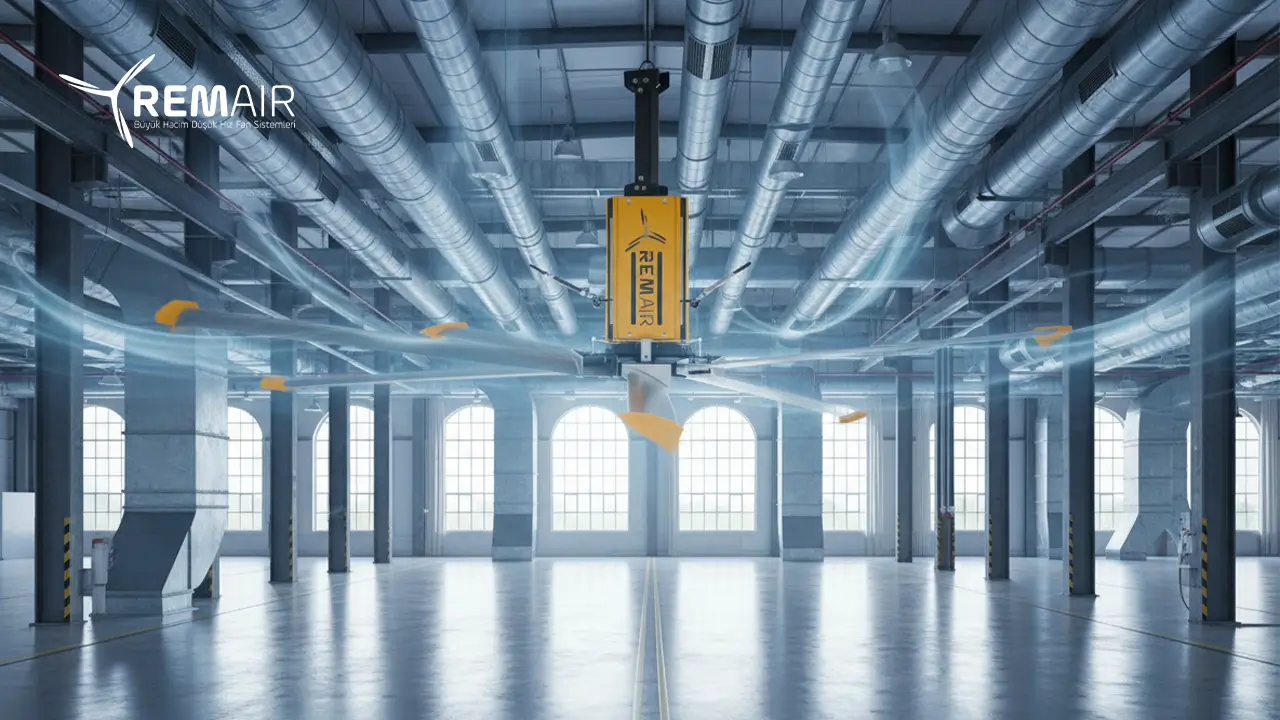
Helicopter fans provide high air circulation in large spaces while keeping energy consumption at a minimum. Thanks to their wide blades and low-speed operation, they generate high air volume with very little energy. They are preferred in both industrial facilities and agricultural environments because they create powerful airflow with low power usage. This continuously renews the indoor air, maintains temperature balance, and significantly reduces energy costs.
Reasons why helicopter fans are among the most efficient ventilation systems:
- Wide blade diameter generates high air volume and reduces energy consumption.
- Low-speed operation provides quiet and efficient airflow.
- Inverter motor technology automatically adjusts speed according to air requirements.
- Requires minimal maintenance and offers long operating life.
- Prevents heat accumulation and reduces the need for cooling systems.
- Lowers electricity costs while improving environmental comfort.
Helicopter fans provide long-term benefits not only through energy efficiency but also through their durable structure and low maintenance needs. These systems, widely used in large spaces, offer an eco-friendly solution and significantly reduce operational costs, ensuring sustainable ventilation performance.
Usage Areas of Helicopter Fans
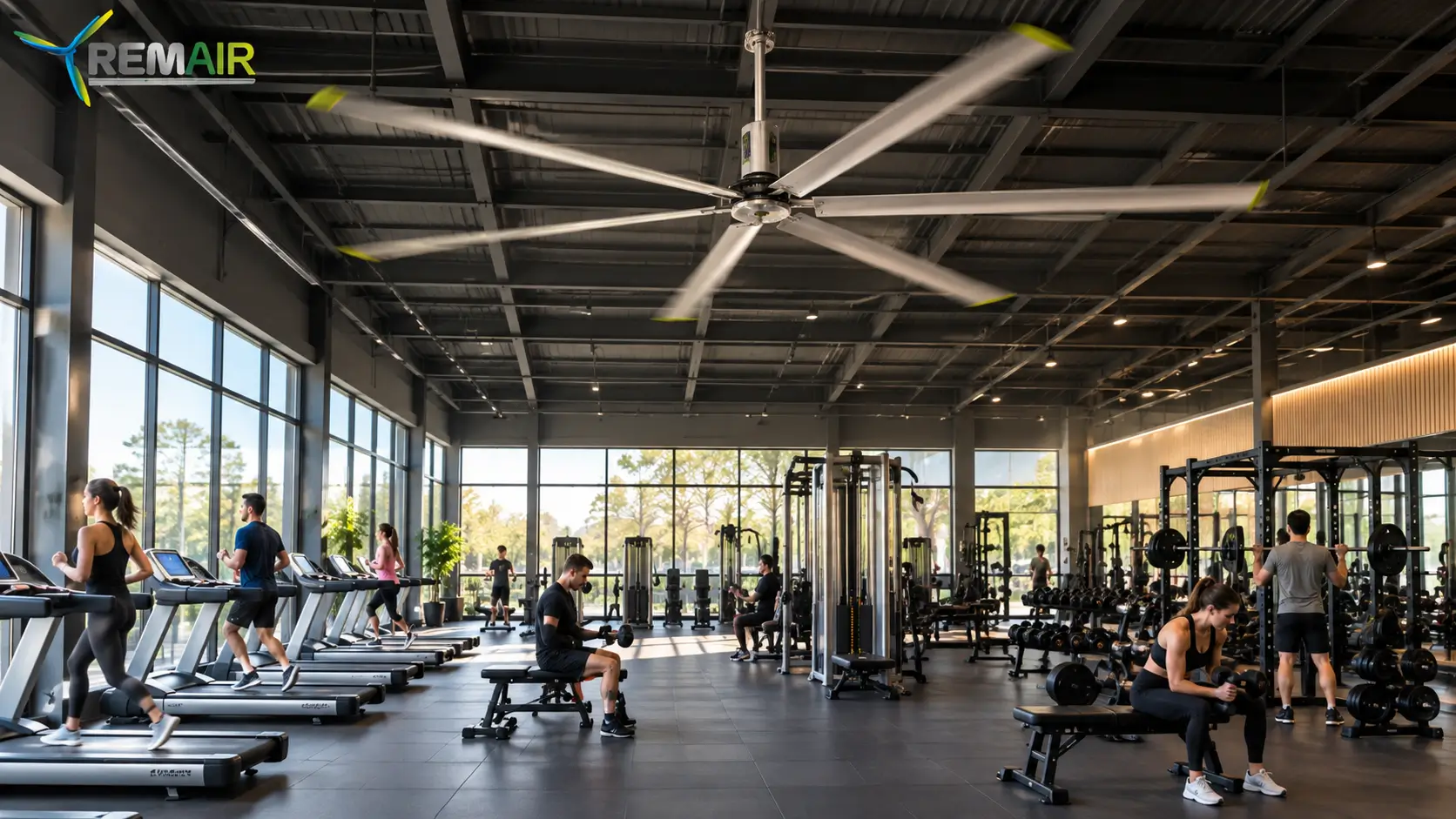
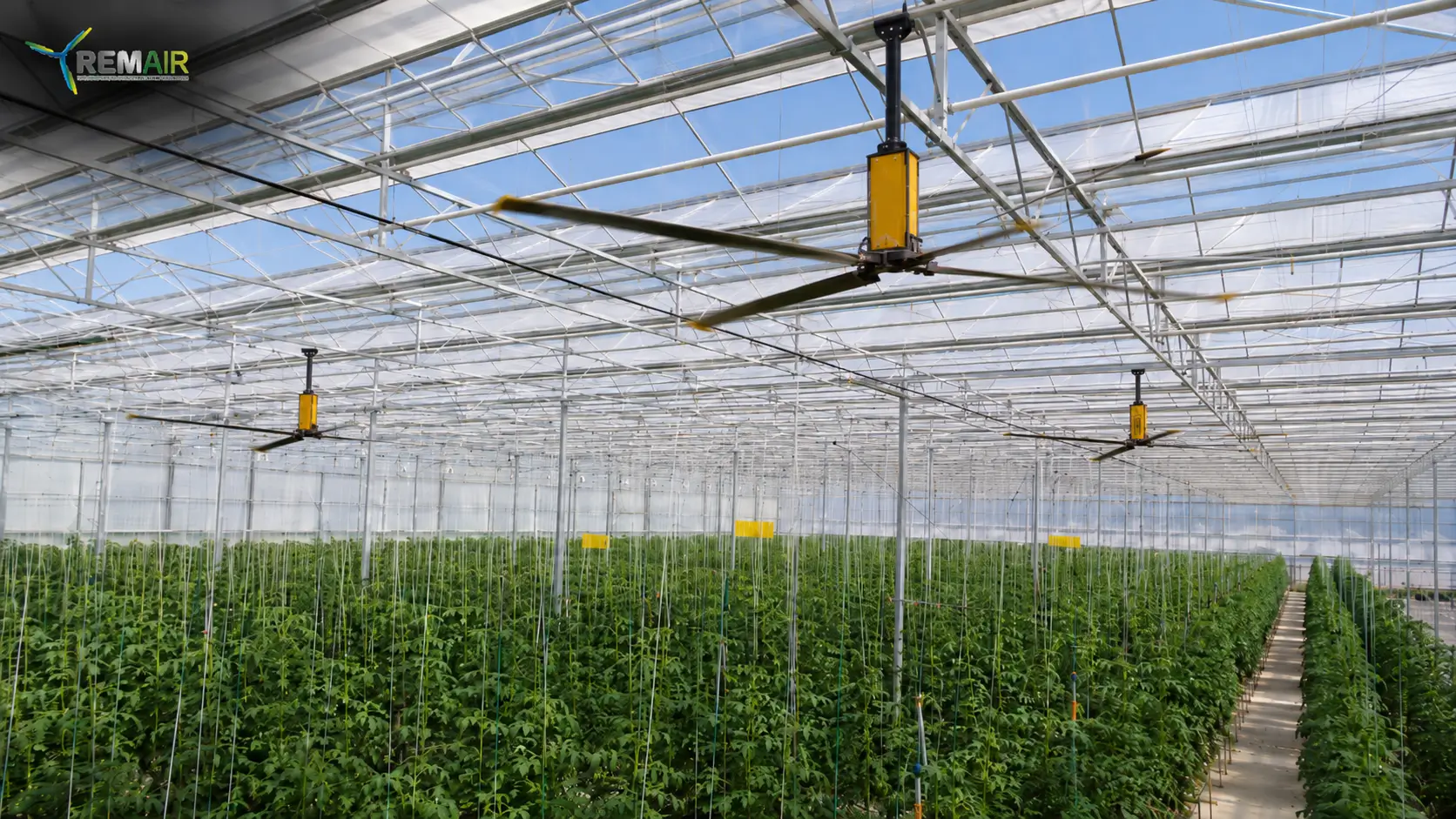
Helicopter fans are powerful ventilation solutions that enhance efficiency in large and enclosed areas thanks to their high air circulation capability. They are preferred in a wide variety of environments, from industrial facilities to agricultural structures. By renewing the air quickly, they save energy, improve indoor comfort, and support operational productivity. Their durable structure, low maintenance needs, and quiet operation provide long-term use.
- Factories and production facilities
- Warehouses and logistics centers
- Livestock facilities and barns
- Greenhouses and agricultural production areas
- Parking garages and large enclosed parking areas
- Sports halls and indoor event spaces
- Food processing facilities
- Textile and chemical industry environments
In these areas, helicopter fans provide temperature control and improve air quality, contributing to the health of workers and animals. Combining energy efficiency with high performance makes them an essential part of modern ventilation systems.

Leave a Comment