
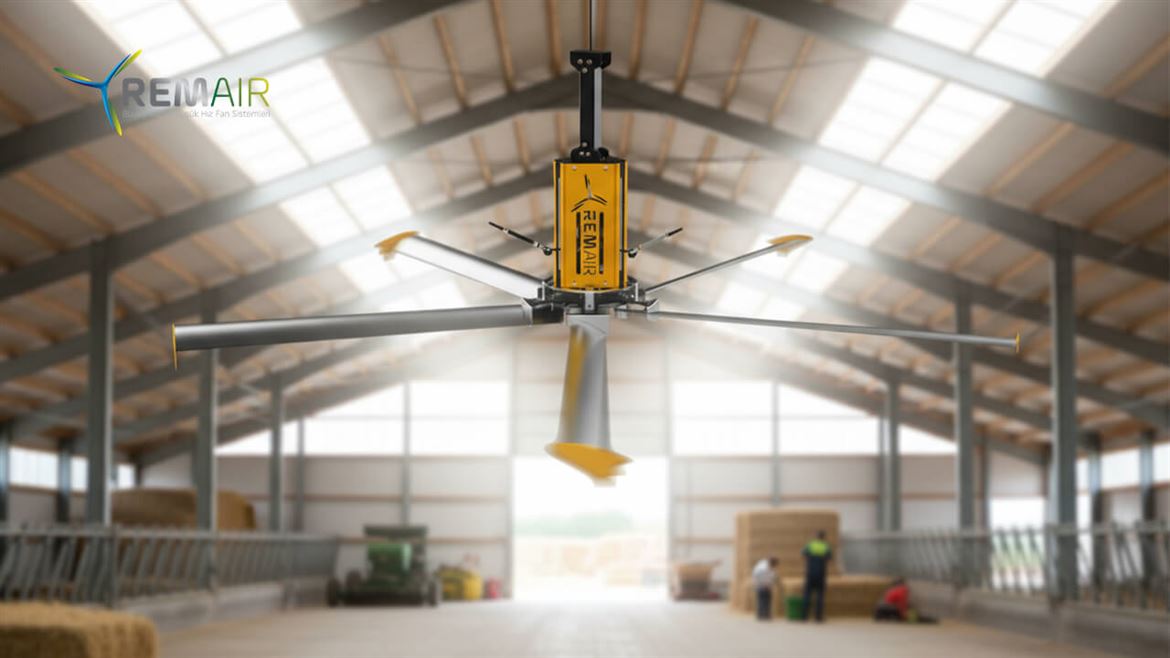
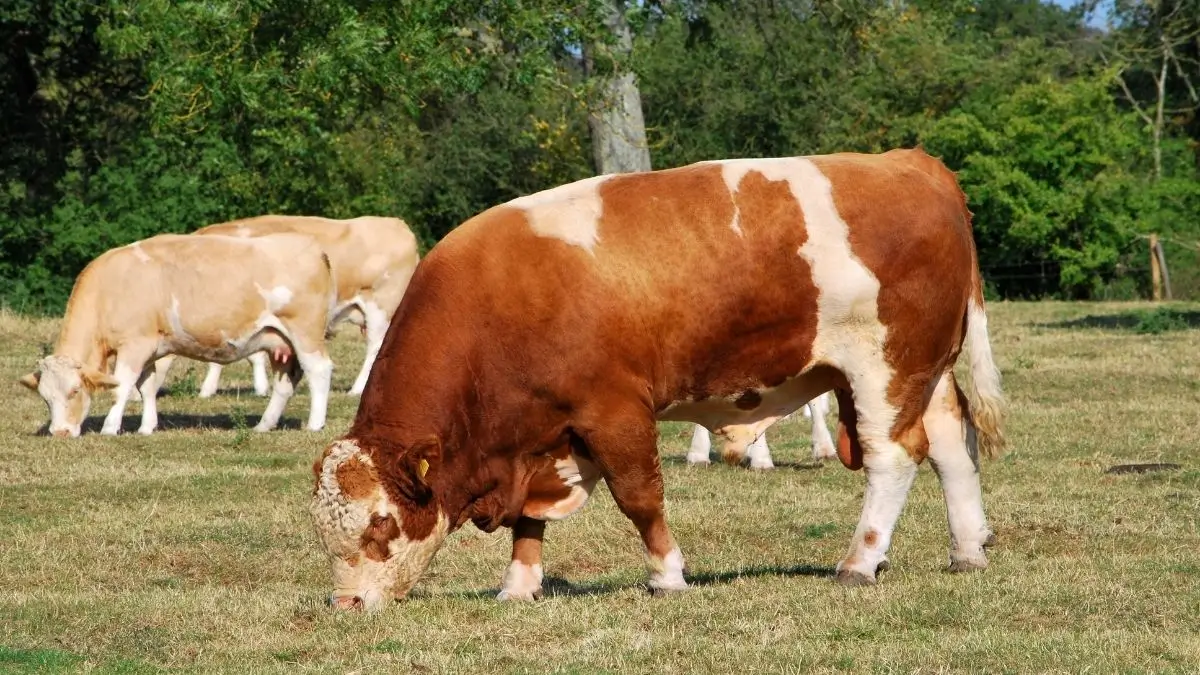
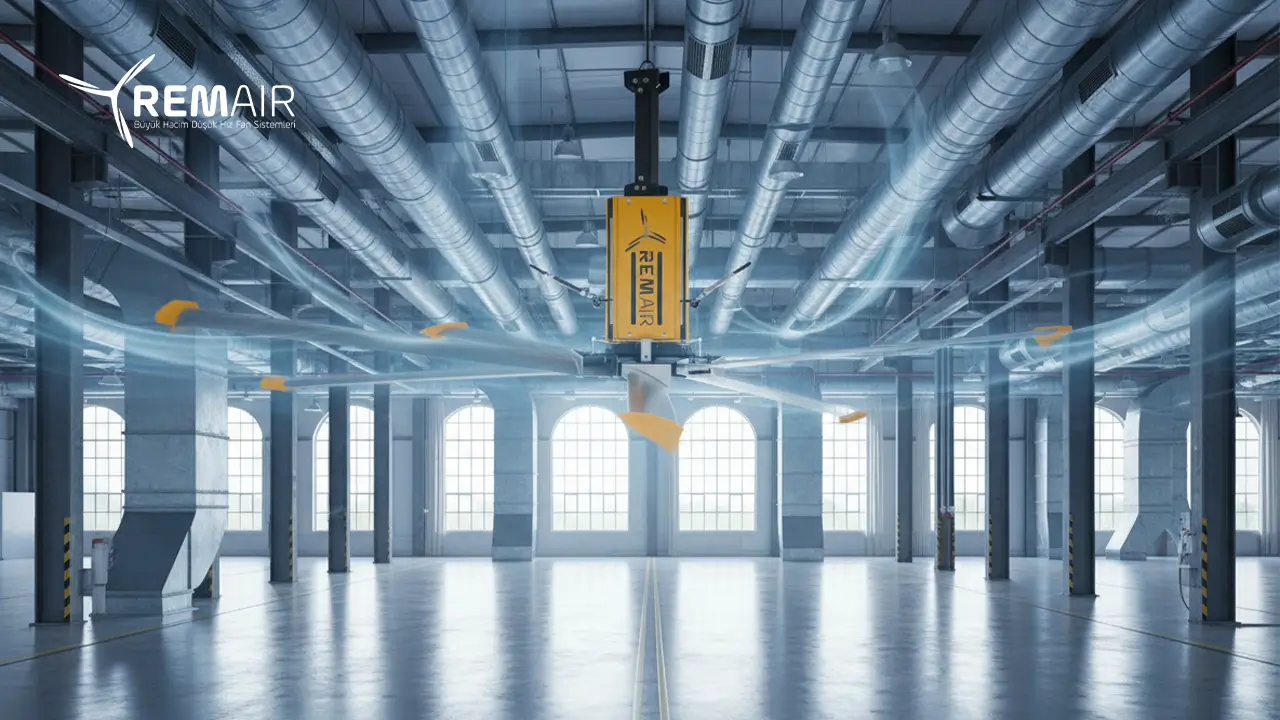
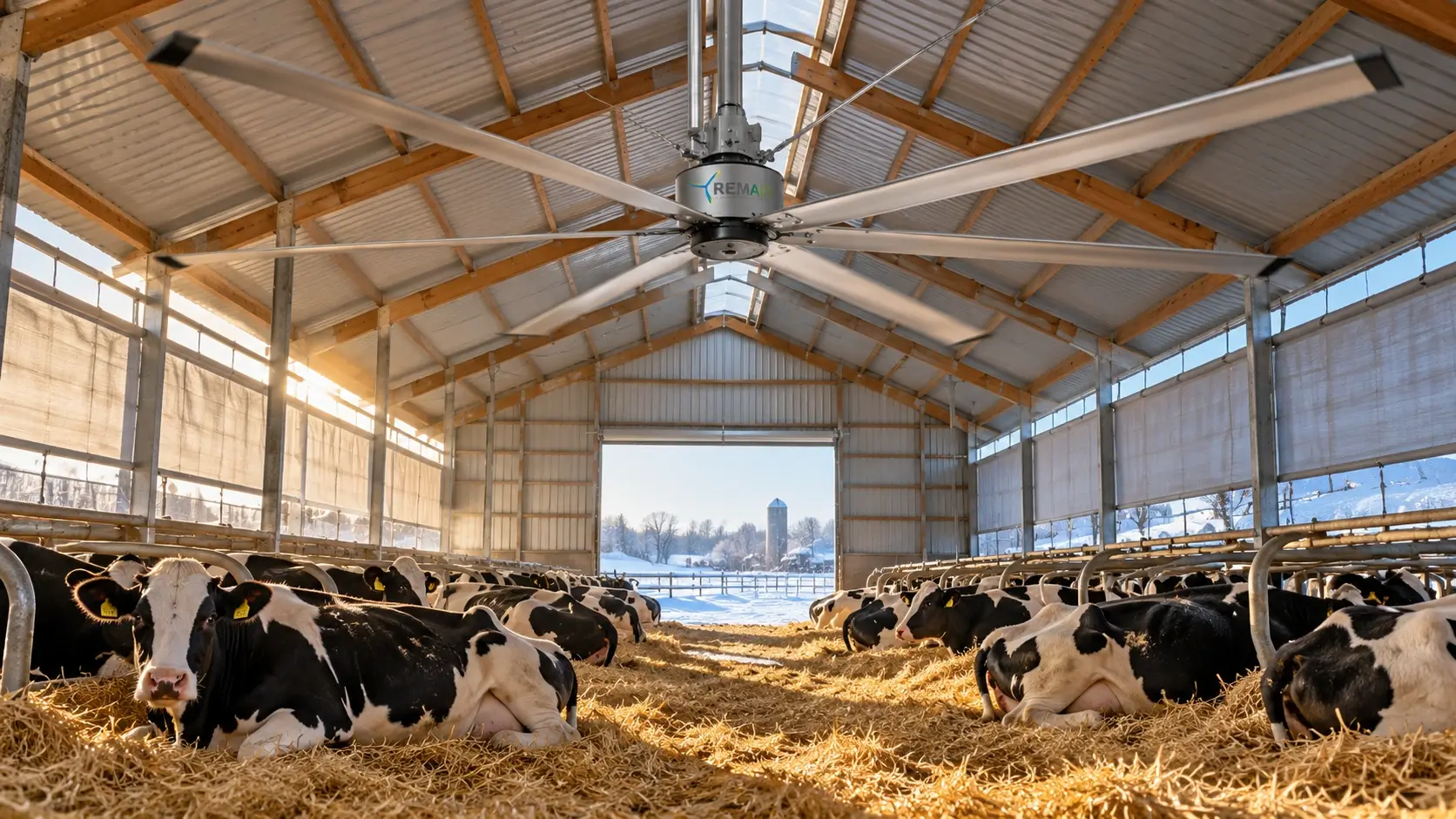
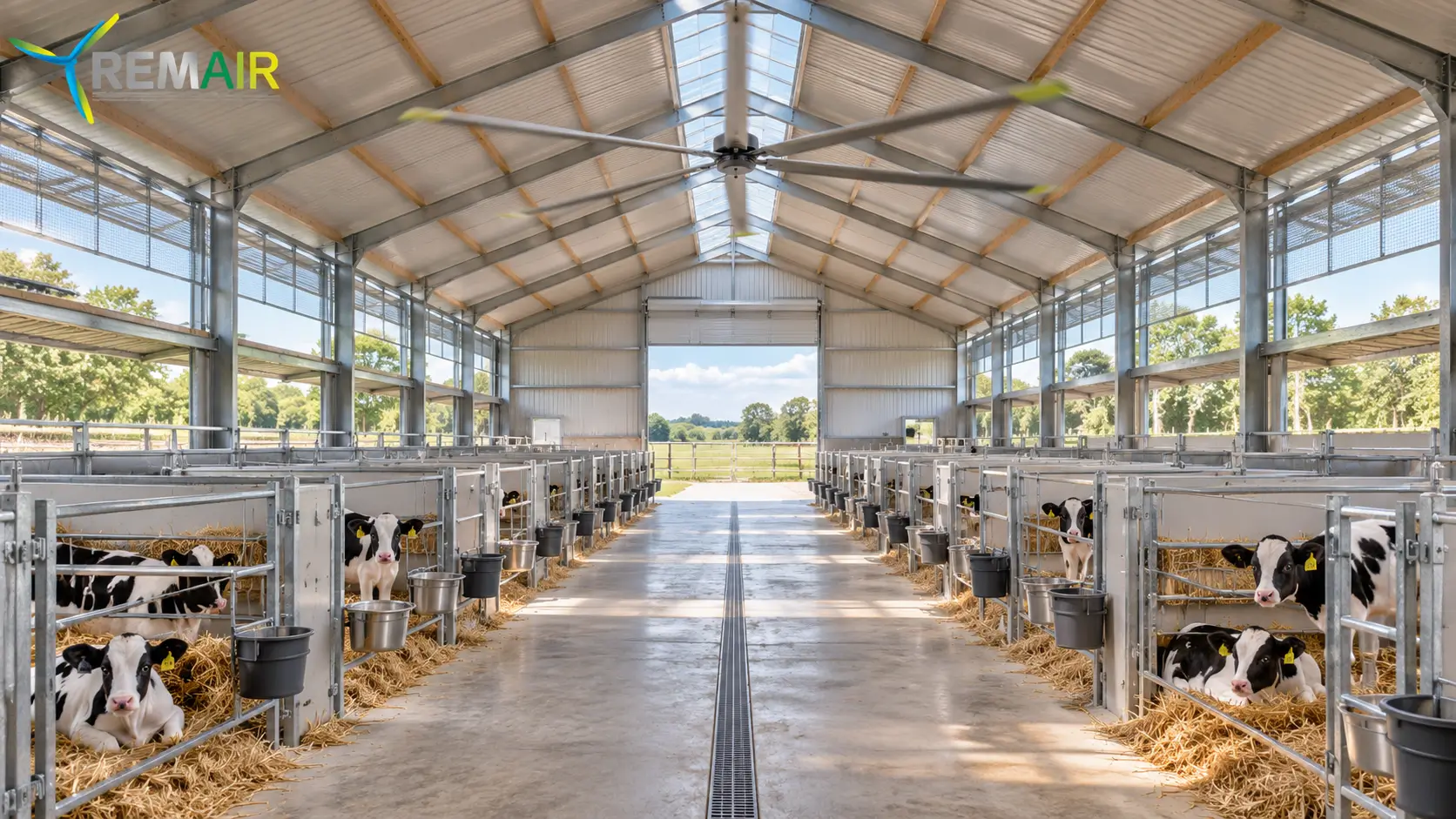
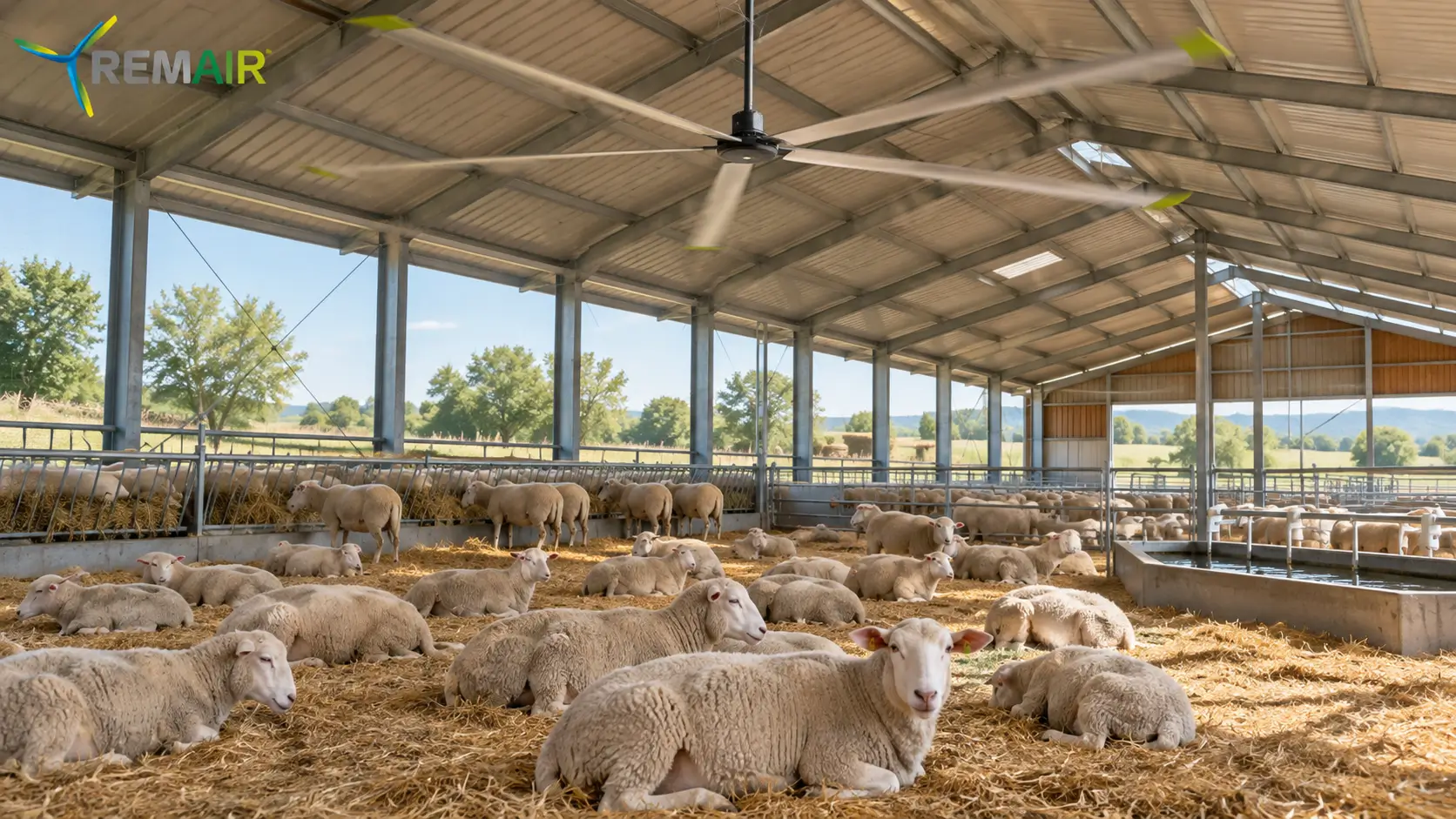
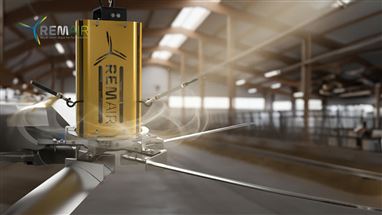
Helicopter fans improve air quality in modern facilities, allowing animals to breathe more comfortably and stay cool. These fans create a powerful air circulation that speeds up the dispersion of heat accumulated in enclosed spaces. As they provide efficient climate control in both small-scale and large-capacity barns, they are an important auxiliary equipment in livestock production.
Intense heat reduces animals' feed intake and causes stress. Helicopter fans create a steady and powerful airflow that alleviates this pressure. As a result, the animals' appetite and daily activity become more balanced. Maintaining temperature balance delivers noticeable improvements especially in milk and meat yield.
In enclosed environments where harmful gases such as ammonia accumulate, using fans creates a cleaner atmosphere. This protects the respiratory health of the animals and helps farm staff work in a more comfortable environment. Thanks to their energy-efficient design, they reduce operating costs in the long term and increase farm productivity.
Why Are Helicopter Fans Preferred in Livestock Farming?
Helicopter fans provide reliable climate control in livestock facilities and help producers maintain their production performance. They quickly disperse heat that builds up in enclosed spaces, allowing animals to feel more comfortable. This offers a significant advantage in terms of both productivity and health. They create a more balanced environment with consistent airflow not only in large farms but also in small-scale barns.
Key reasons for preference
- Prevents animals from becoming stressed by keeping temperature in balance
- Reduces the accumulation of ammonia and unpleasant odors in the environment
- Lowers operating costs thanks to low energy consumption
- Strengthens insufficient air circulation and creates a more hygienic living space
- Supports rapid results in both cattle and small livestock production
The benefits these fans provide are an important support for producers who want to maintain product quality. In a barn with consistent airflow, animals remain calmer, have better appetite and stay healthier. Because they make day-to-day operations easier and increase efficiency in the long term, their use is becoming more widespread every year.
Fan Positioning Recommendations for Balancing Barn Temperature
Keeping the temperature inside the barn in balance is a critical step to maintaining animal comfort. Positioning fans in the right locations reduces hot spots and ensures a more effective distribution of airflow. Especially in large spaces, placing the units at regular intervals helps cool air reach every corner of the enclosed environment equally. This approach helps animals behave more calmly and continue their daily activities comfortably.
When positioning fans, it is important to pay attention to height and angle. Allowing the air to circulate without blowing directly on the animals creates a natural sense of cooling within the space. In addition, this positioning method reduces the increased humidity in summer and limits the spread of bad odors. Placing fans near inlets and exhaust points makes it easier to maintain balance inside.
It is also important to determine the number of fans according to the physical structure of the barn. In narrow and long buildings, the units should be positioned at equal intervals along the corridor, while in wide spaces it is more effective to create a regular layout starting from central zones. This placement plan both optimizes energy use and helps ensure that animals are kept in a healthier environment. In this way, temperature control becomes more stable and production performance is maintained.
Key Points to Consider When Using Helicopter Fans for Energy Saving
Getting the maximum efficiency from helicopter fans while reducing energy consumption requires developing the right operating habits. Adjusting fan operating times according to ambient temperature and avoiding unnecessary runtime noticeably lowers the facility's costs. Units that are serviced regularly draw less power and operate for long periods without loss of performance. Therefore it is possible to achieve both comfort and savings at the same time.
Key points to consider
- Cleaning the motor and blades of the fans regularly
- Adjusting operating hours according to ambient temperature
- Preventing unnecessary energy consumption with automatic control systems
- Preventing excessive power consumption by choosing fans that match the barn structure
- Not delaying maintenance intervals and monitoring signs of malfunction
When these principles are followed, the units operate much more consistently and the facility's overall energy load decreases. While a sense of cooling and a fresher environment are provided, the producer's expenses are kept under control. Such an operating approach extends equipment life in the long term and delivers significant benefits to livestock businesses.
The Importance of Fans in Reducing Ammonia and Unpleasant Odors
The formation of ammonia rapidly degrades air quality in enclosed spaces and negatively affects both animals and staff. Using fans disperses this build-up and makes the environment more breathable. Consistent airflow lightens the intensity of bad odors and helps keep the area more hygienic.
The strong circulation effect sets stagnant air inside the barn in motion. In this way, ammonia does not accumulate at specific points; it spreads over a wider area and loses its harmful impact. This relieves the animals' respiratory tracts and helps reduce stress levels.
With effective use of fans, a constantly refreshed atmosphere is created indoors. Balancing humidity limits bacterial growth and prevents the spread of bad odors. As a result, a cleaner living space is achieved and daily care routines become easier.
This approach directly contributes to both facility hygiene and productivity. When ammonia is kept under control, animal performance increases and staff benefit from a healthier working environment. Systems that provide continuous airflow raise the operational standards of the farm over the long term.
What to Consider in Capacity and Motor Power When Choosing a Fan?
When selecting a fan, it is crucial that its capacity and motor power match the physical structure of the barn. The airflow volume and motor performance of the unit must be carefully assessed so that air can reach all required areas evenly. Insufficient power leads to poor circulation, while excessive capacity causes energy losses. Therefore, defining the right technical specifications in line with the size and intended use of the facility delivers efficient results.
Key points to consider
- Selecting an airflow rate that matches the barn's floor area and ceiling height
- Motor quality that maintains performance during long-term operation
- Preferring models with low energy consumption
- Noise levels that will not disturb the animals
- Blade design that directs air distribution in a balanced way
Fans with the right capacity and motor power create ideal airflow in the environment, increasing both animal comfort and energy efficiency. Choosing a model that is durable and easy to maintain reduces the burden on the operation in the long term and ensures stable climate control. This approach provides a strong advantage for the business in terms of both performance and savings.
Frequently Asked Questions
1. Do helicopter fans really reduce the temperature inside the barn?
Yes. Thanks to their powerful airflow, they quickly disperse hot spots and help the environment stay cooler and more balanced. They significantly relieve the heat stress animals experience, especially in summer.
Hot air accumulates near the ceiling; helicopter fans break up this build-up and push the air down evenly, which significantly reduces the perceived temperature.
2. Do these fans affect the animals' appetite?
Yes. As they create a more comfortable environment, animal stress decreases, which makes appetite and feed intake more consistent.
When heat stress is reduced, the animals' metabolic activity returns to normal and production performance increases directly.
3. Are they sufficient to reduce ammonia odor?
Continuous air circulation prevents the build-up of bad odors and ammonia gas. This makes the environment cleaner and more breathable.
Because the fans keep the air moving, gas concentration decreases and fresh air circulates throughout the barn.
4. Do they consume a lot of energy?
Modern helicopter fans operate with low energy consumption. Thanks to their high-efficiency motors, operating costs remain low even during long running times.
When the right capacity is selected, unnecessary power loss is avoided and the energy/performance balance is kept at an optimum level.
5. Are they also suitable for small farms?
Yes. With different size and power options, they are suitable for barns in both small and large facilities.
When the layout is designed correctly, high efficiency can be achieved even in small operations.
6. Does the operation of the fans disturb the animals?
High-quality helicopter fans operate with low noise and do not disturb the animals.
When the airflow is not directed straight onto the animals, it does not cause discomfort; on the contrary, it creates a healthier environment.
7. Do they help control humidity levels?
Continuous air movement helps maintain humidity balance inside the barn. This reduces bad odors, bacterial growth and disease risk caused by excessive moisture.
Especially in fully enclosed buildings, fans prevent dampness from forming and provide a more hygienic environment.
8. Is fan maintenance difficult?
No, it is quite simple. In most cases, regularly cleaning the blades and motor section is sufficient.
With periodic maintenance, they can operate for many years without performance loss.
9. How many fans should be used to maximise efficiency?
The number of fans required depends on the size of the barn, ceiling height and ventilation needs.
In large buildings, positioning several fans at the right points provides a more balanced airflow and delivers ideal results.
10. Do they have a direct impact on animal health?
Yes. Clean, cool and balanced airflow helps protect the animals' respiratory tracts.
Lower stress levels, reduced heat pressure and a more hygienic environment directly and positively affect the animals' overall health and productivity.

Leave a Comment