
Dairy cattle are animals that struggle to regulate their body temperature and are directly affected by environmental conditions. High-yield cows in particular generate intense heat due to their metabolic activity, and when they cannot dissipate this heat, they begin to show serious signs of stress. Animals under heat stress consume less feed, milk yield decreases, conception rates decline, and their immune systems weaken. For this reason, keeping barn temperature, humidity levels, and air circulation under control is an indispensable necessity for both animal welfare and farm profitability.
Today, farm owners use various solutions together, such as mechanical ventilation systems, misting units, evaporative cooling pads, and smart sensor technologies. Tunnel-type ventilation systems are especially preferred in large-scale operations, while fan systems supported by natural ventilation deliver effective results in smaller barns. Thanks to automatic control units, temperature and humidity levels are monitored in real time; when the defined threshold values are exceeded, the system activates and brings the environment back to ideal conditions.
A properly designed climate control infrastructure is important not only during hot summer months but also in winter. In cold weather, excessive humidity buildup creates conditions for respiratory diseases, while insufficient ventilation leads to increased ammonia gas concentration. Therefore, maintaining a balanced indoor environment throughout all four seasons is one of the cornerstones of sustainable milk production. System selection made with professional consulting and regular maintenance practices ensures that the investment pays for itself many times over in the long run.
Why Is Heat Stress So Important in Dairy Cows?
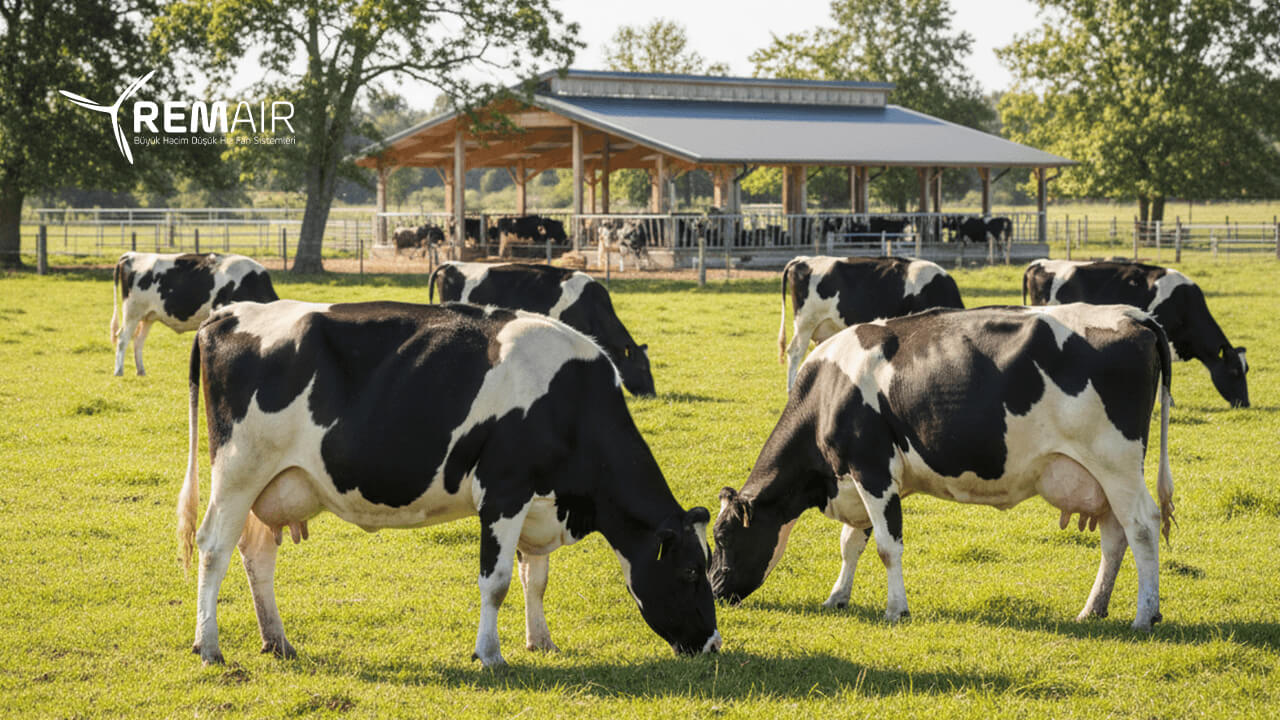
Dairy cattle are living beings that struggle greatly to regulate their body temperature. High-yield cows, especially those producing 30 liters of milk or more per day, exhibit intense metabolic activity. This activity generates significant heat, and when the animal cannot release this heat to the environment, its physiological balance begins to deteriorate. Respiratory rate increases, saliva secretion intensifies, and the animal shows noticeable lethargy. All of these signs are the first signals that productivity is about to decline.
A cow under heat stress instinctively reduces feed intake. Lower energy intake directly affects milk output, resulting in daily losses ranging from 10% to 25%. In addition, milk fat and protein ratios are negatively affected, which directly harms milk pricing and farm revenue. In long-term exposure, the animal’s overall health condition deteriorates, and treatment costs become inevitable.
Reproductive performance is one of the areas most affected by heat stress. Signs of estrus become less distinct, conception rates decline, and embryo losses increase. In a dairy farm, longer calving intervals mean fewer calves and therefore less milk production potential. If this cycle is not broken, the farm’s long-term sustainability is seriously jeopardized.
The effects on the immune system should not be overlooked either. Animals under stress become more vulnerable to infections, and the incidence of udder diseases such as mastitis increases. Treatment processes create both time and cost burdens. For all these reasons, keeping barn temperature and humidity values under control is critical not only for animal welfare but also for economic profitability.
Which Ventilation System Should Be Preferred in Barns?
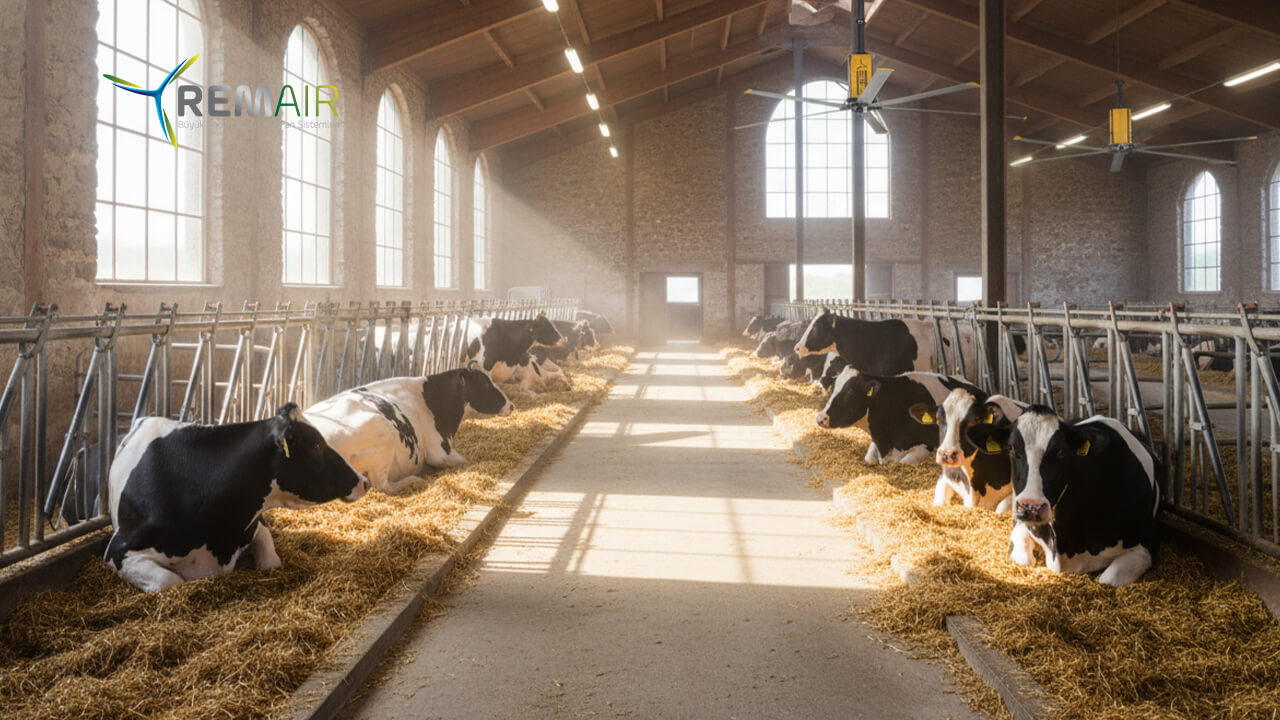
Factors such as barn size, number of animals, regional climate characteristics, and budget play a decisive role in system selection. While natural ventilation supported by openings placed on the roof and side walls may be sufficient in small and medium-sized operations, mechanical systems become essential in high-capacity farms. Tunnel-type ventilation provides uniform cooling by ensuring end-to-end airflow, especially in enclosed barns. Cross ventilation systems, on the other hand, deliver effective results over shorter distances through fans placed on side walls.
The greatest advantage of mechanical systems is that they offer controllability. Fans integrated with automatic sensors are activated or deactivated according to temperature and humidity values. In this way, energy consumption is optimized while ideal environmental conditions for the animals are maintained. However, establishing a mechanical infrastructure requires a serious investment; generators or alternative energy sources should also be included in the planning against power outages.
For the right choice, a professional engineering assessment must be carried out. Systems installed without considering barn orientation, roof slope, regional wind directions, and existing building materials cannot deliver the expected performance. Moreover, faulty design leads to energy waste and increased maintenance costs. Since every farm has its own unique dynamics, developing site-specific projects instead of standard solutions is a much more rational approach in the long run.
Fan Selection and Proper Layout Planning
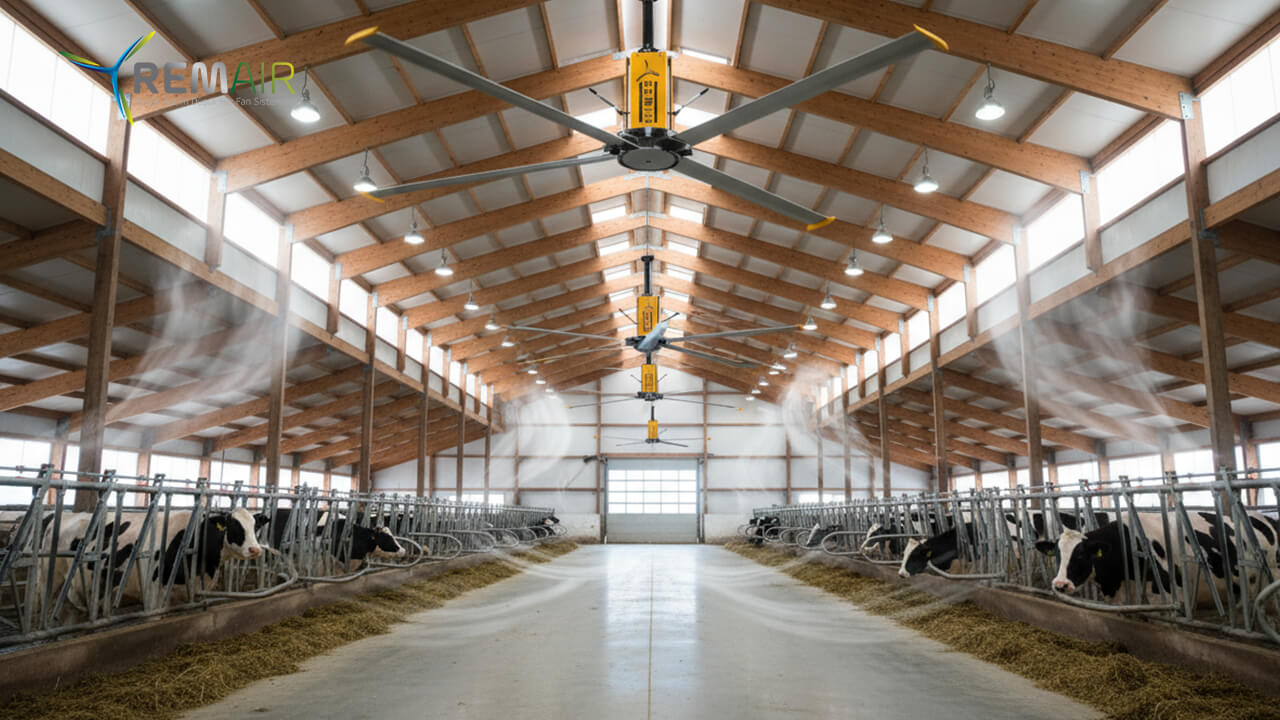
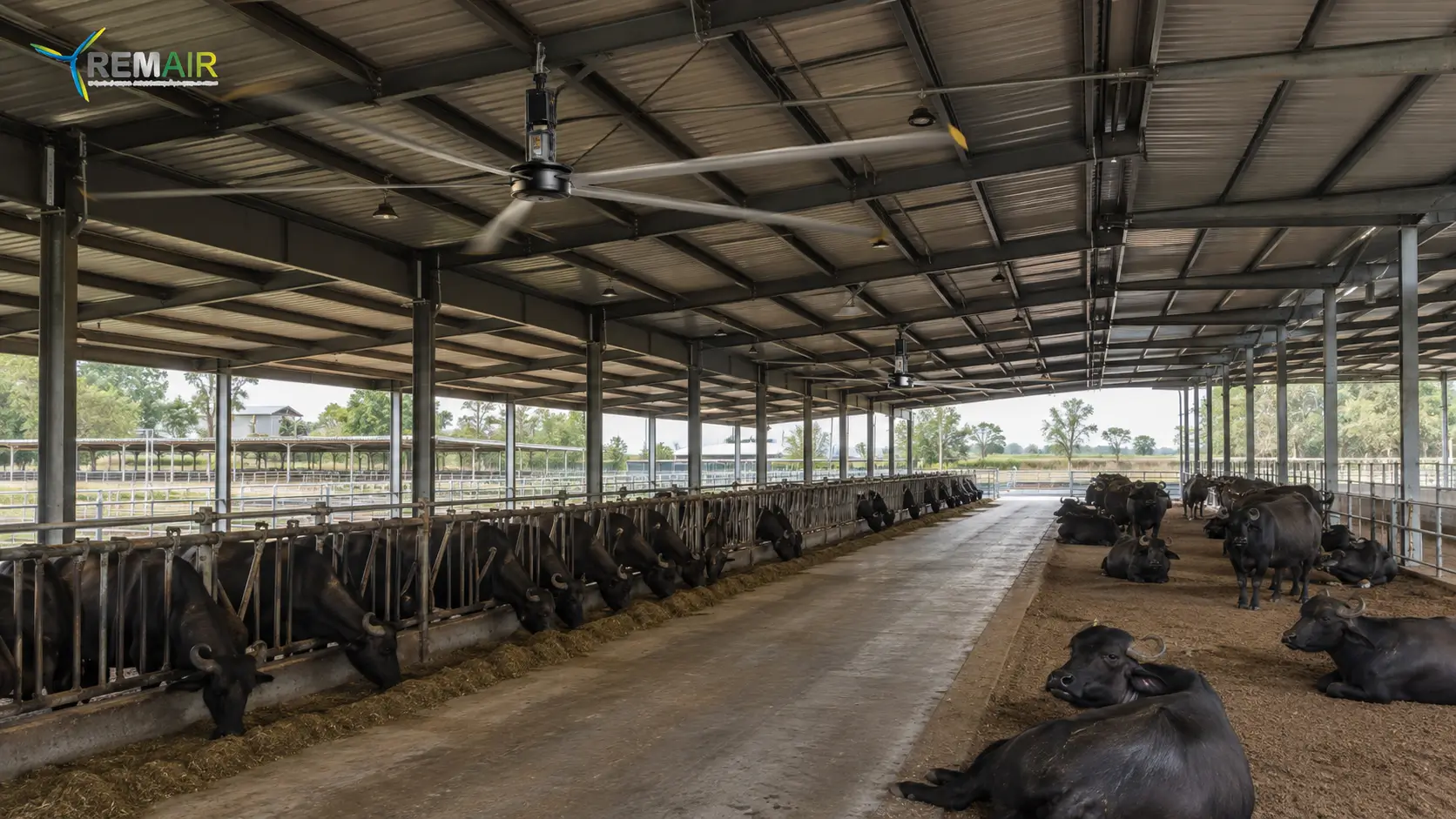
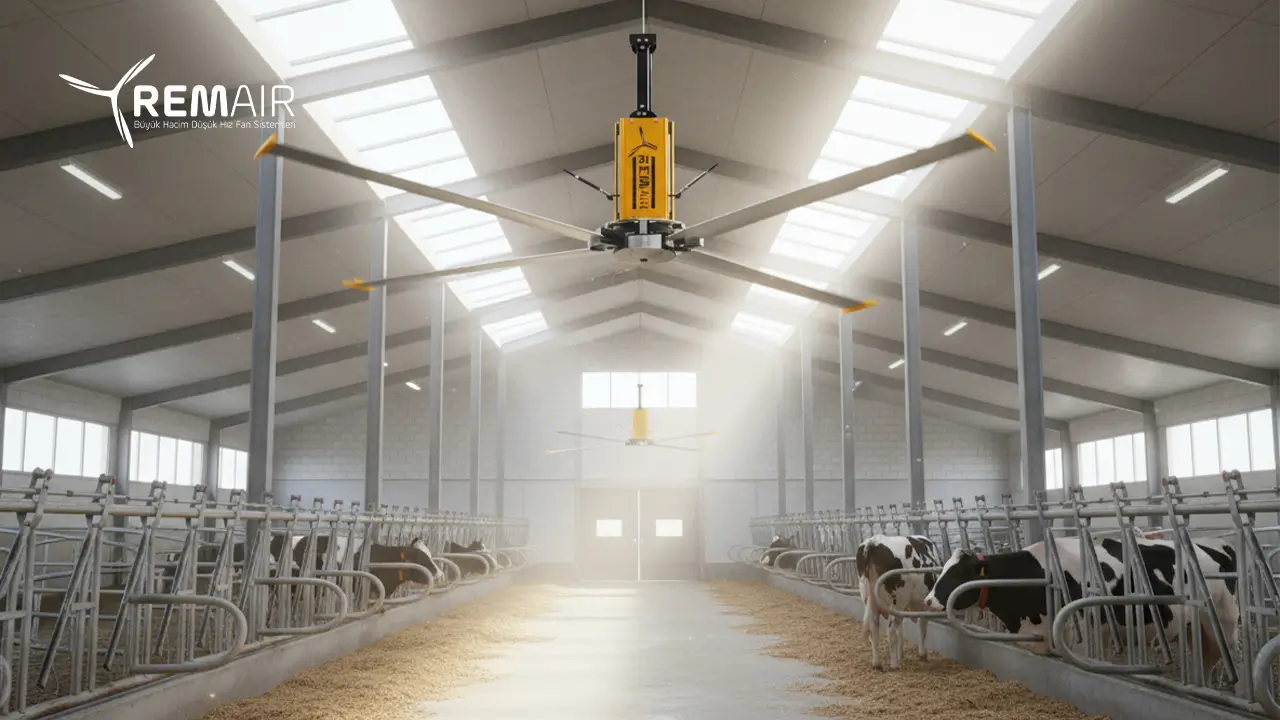
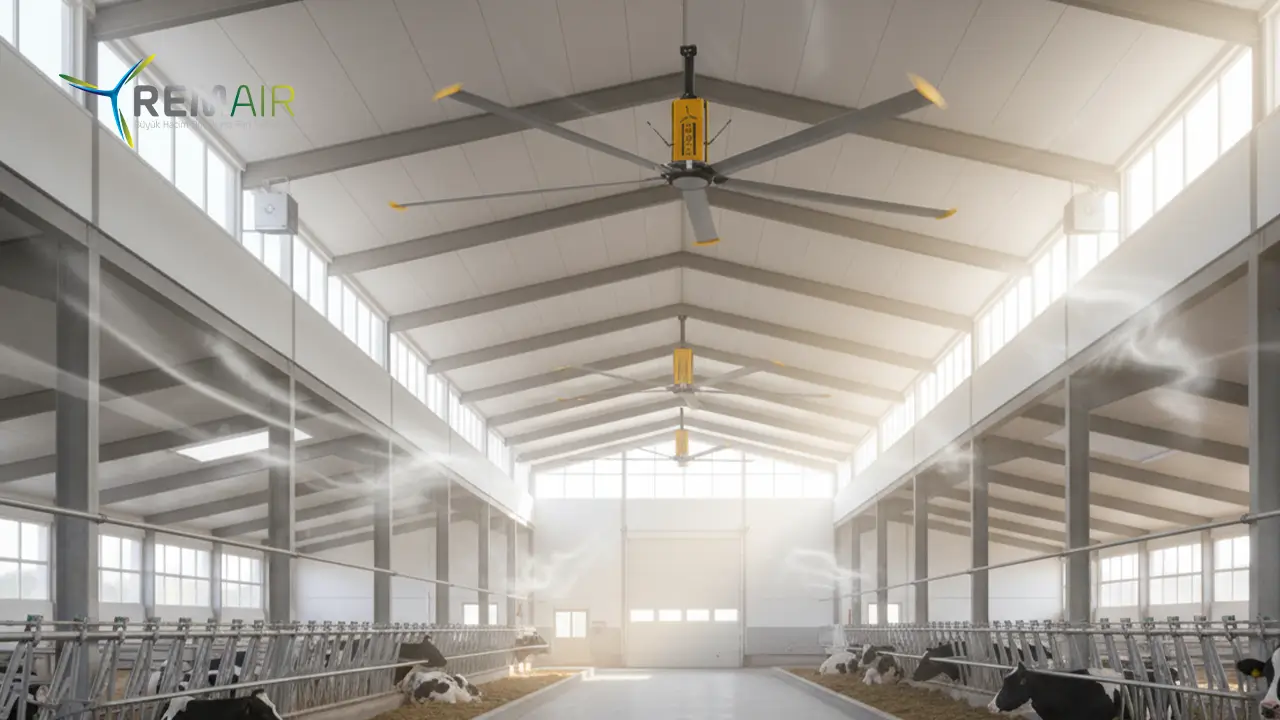
Fans are the core elements of air circulation inside the barn, and if they are not selected correctly, the entire climate control investment can go to waste. Technical features such as diameter, motor power, blade structure, and rotation speed must be determined according to the square meter area of the barn and animal density. Instead of lining up small-diameter fans side by side, positioning larger and more powerful units at strategic points both saves energy and makes airflow more efficient. Layout planning ensures that the fans work in harmony with one another; otherwise, dead zones form and some animals are deprived of cooling.
Key points to consider for fan selection and positioning:
- At least 1,000 cubic meters of air movement per animal per hour should be provided.
- Fans should be positioned above or directly in front of animal resting areas.
- In tunnel ventilation, fan diameter should be at least 120 cm and mounted on the exhaust wall.
- Circulation fans should be installed at an angle to the ceiling so that airflow is directed toward the floor.
- Each fan must be easily accessible for maintenance and cleaning.
- The electrical infrastructure should be designed to handle all fans operating at the same time.
- Noise levels should be kept at a level that does not disturb the animals.
During the installation phase, it is extremely important to test theoretical calculations in the field. After the fans are put into operation, it should be checked through smoke tests or air velocity measurements whether airflow reaches all areas. If necessary, fan angles and positions should be readjusted to achieve optimum efficiency. It should not be forgotten that a well-planned layout both improves animal comfort and significantly reduces electricity bills in the long term.
How Should Ventilation Be Managed in Winter?
During cold months, many farm owners reduce ventilation or stop it completely; however, this approach leads to serious problems. Moisture accumulating in enclosed spaces creates a breeding ground for bacteria by causing bedding to become wet. At the same time, ammonia gas generated from the animals’ respiration and manure can reach dangerous levels. This gas both irritates the lungs of the cows and negatively affects the health of the staff working in the barn. Therefore, continuous air circulation must also be maintained in winter.
Cold air intake should be controlled carefully. Cold drafts blowing directly onto the animals increase the risk of mastitis and cause body temperature to drop. For this reason, while minimum ventilation capacity is maintained, air inlet points should be positioned close to the ceiling so that the incoming cold air can mix with the warm indoor air and become milder. Adjustable louvers and automatically controlled air inlet vents are highly functional in establishing this balance.
Heat recovery systems can also be considered to reduce heat loss. These units use the energy of the warm air being exhausted to heat the incoming cold air and reduce energy costs. To prevent condensation, roof insulation and side wall insulation should also be reviewed. Achieving the right balance in winter ensures that animals remain healthy while also preventing the farm from experiencing productivity losses.
The Effect of Barn Design on Climate Control
No matter how expensive the fans and advanced cooling systems you install in a barn may be, if the structure itself is not suitable for airflow, you will not get the result you want. Building orientation, roof form, ceiling height, and the position of openings form the foundation of climate control. Architectural mistakes are both difficult and costly to correct later. Therefore, working together with a ventilation engineer during the planning of a new structure or the revision of an existing one provides a major advantage.
Design elements that directly affect climate control efficiency:
- The barn’s longitudinal axis should be positioned perpendicular or slightly angled to the region’s prevailing wind direction.
- The roof slope should be at least 25%, so that warm air can rise and be discharged through ridge ventilation.
- The ceiling height should be at least 3.5 meters above the backs of the animals.
- Side wall openings or curtain-wall louvers should be designed wide enough to allow natural air intake.
- Roof material should be selected with heat-reflective properties, or insulation should be applied to the underside.
- Support columns and interior partitions should be positioned so they do not interrupt airflow paths.
- Manure channels and feed alleys should be planned in a way that prevents dirty air from accumulating.
Structural changes may not always be possible in existing barns; however, even small interventions can make a difference. Applications such as adding extra openings to side walls, installing ridge ventilation on the roof, or widening overhangs improve air circulation. The important point is to correctly analyze the structure’s potential and limitations before investing in any mechanical system. An intelligently planned design provides a healthier environment while consuming less energy.

Leave a Comment