
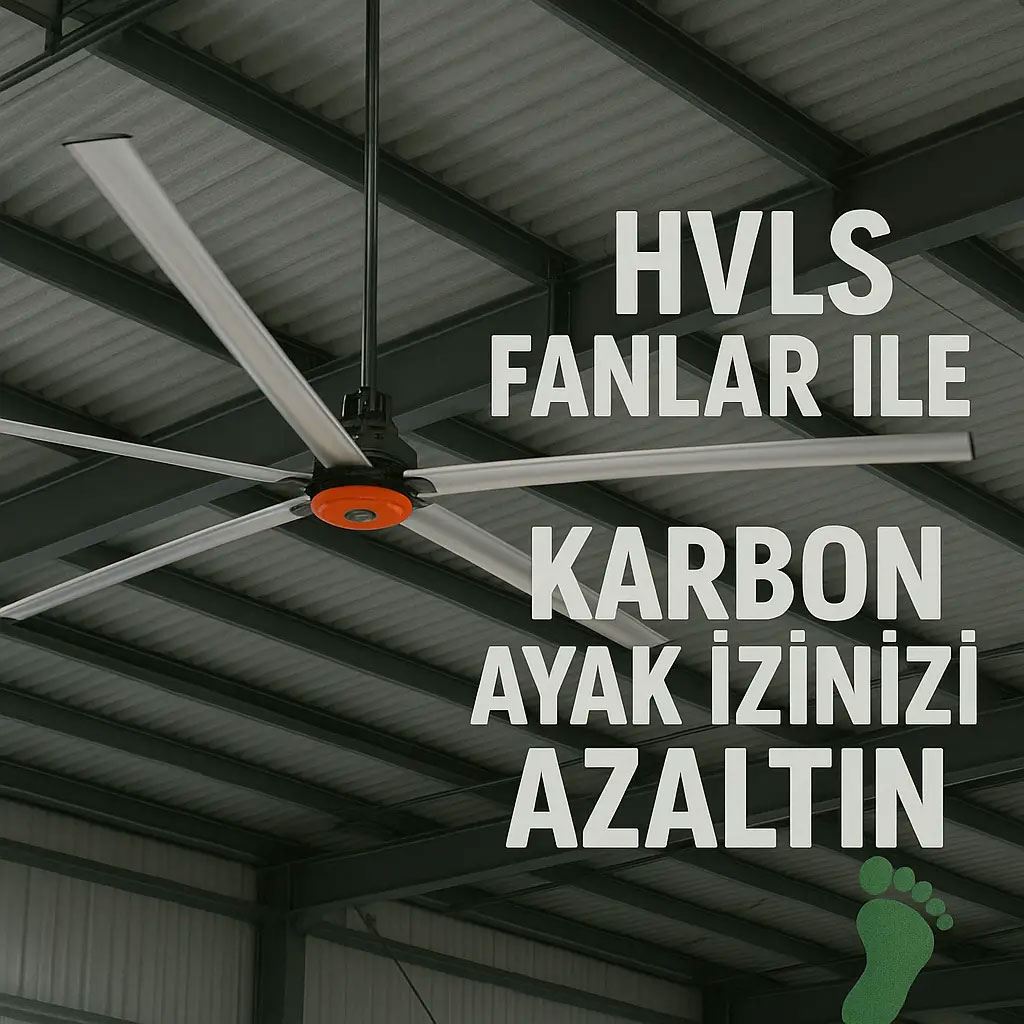
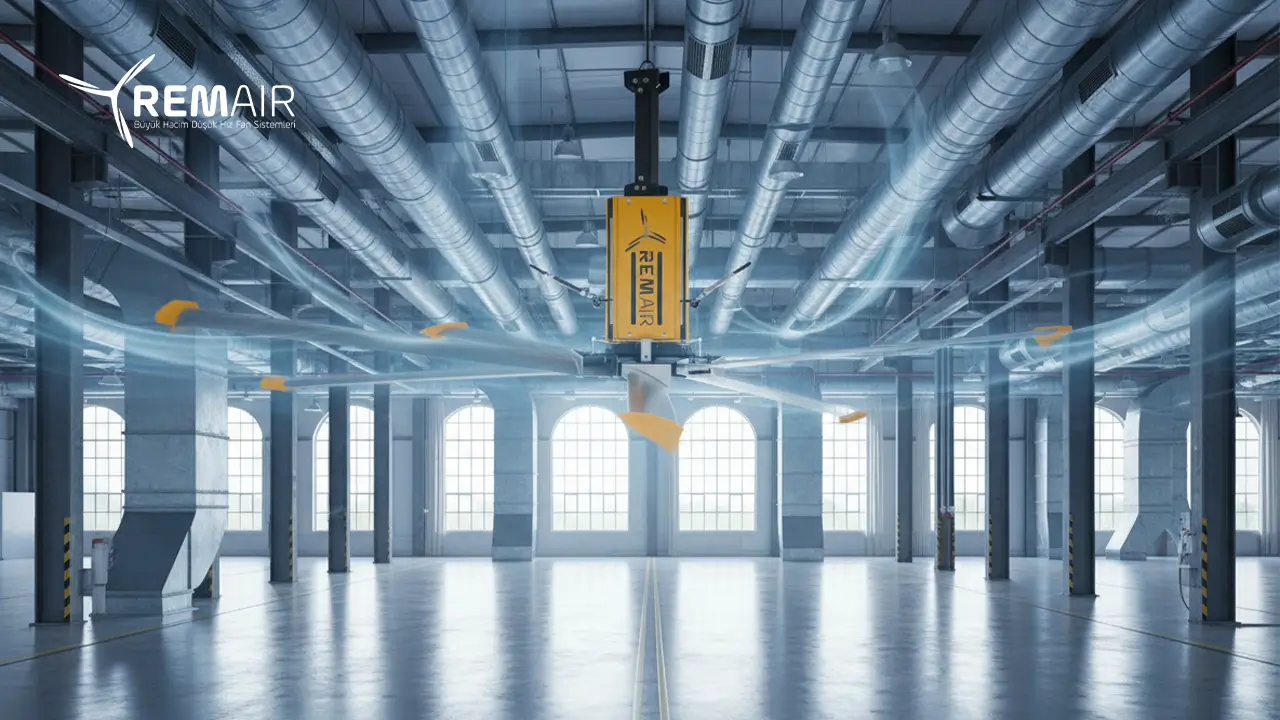
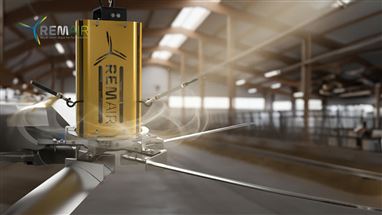
HVLS fans are an effective solution for reducing the carbon footprint. By providing high-volume air circulation at low speed in large spaces, they reduce energy consumption and lower greenhouse gas emissions. When used together with HVAC systems, they save energy and significantly reduce carbon emissions. This makes them an eco-friendly option for businesses aiming to achieve sustainability goals.
HVLS fans consume less energy than traditional ventilation systems. Thanks to their high efficiency, they reduce the load on HVAC systems, delivering energy savings and lowering carbon emissions. By offering a highly energy-efficient solution, these fans contribute to businesses’ sustainability targets.
Using HVLS fans not only saves energy, it also helps businesses reduce their environmental impact. Less energy consumption means lower carbon emissions. This, in turn, supports companies in adopting eco-friendly practices and achieving their sustainability objectives.
How Do HVLS Fans Reduce the Carbon Footprint?
HVLS fans increase energy efficiency by delivering high-volume airflow at low rpm, thereby directly reducing the carbon footprint. Creating uniform air distribution with a single fan in large-volume spaces allows heating and cooling systems to run less. This both reduces energy consumption and minimizes carbon emissions by using less electricity. In short, HVLS fans are a strategic tool that alleviates the load on HVAC systems and reduces environmental impact.
Providing a cooling effect in summer, HVLS fans also push down the warm air that accumulates near the ceiling in winter to maintain thermal balance within the space. Thanks to this balancing, HVAC systems engage less frequently, which lowers energy bills and limits carbon emissions from energy generation. This dual contribution of the fans offers not only operational savings but also a significant advantage in meeting sustainability goals.
HVLS fans contribute not only to the environment with their quiet operation, low maintenance needs, and long service life, but also to overall business efficiency. Compared with traditional solutions, their lower electricity use makes them an effective choice for companies seeking to shrink their carbon footprint. For this reason, from production facilities to warehouses, logistics centers to gyms, HVLS fan adoption has become one of the top choices for businesses looking for green solutions.
What Is a Carbon Footprint and How Is It Calculated?
A carbon footprint is the measure, in carbon dioxide (CO₂) equivalent, of the greenhouse gas emissions that individuals, businesses, or products cause directly or indirectly. The energy used in daily life, modes of transportation, products consumed, and production processes constitute the main sources of these emissions. The carbon footprint is a tangible indicator of our impact on the environment and is considered an important metric for sustainable living.
Calculating a carbon footprint is based on various criteria such as energy consumption, mode of transport, travel frequency, products consumed, and waste management. These data are multiplied by emission factors defined according to global standards to compute total carbon emissions. In this way, a person’s or a company’s impact on the environment can be expressed numerically. This calculation is a critical step for raising environmental awareness and determining the measures that can be taken.
To learn your own carbon footprint and shape your individual or corporate sustainability strategies, you can perform a practical analysis using Ekol Çevre’s carbon footprint calculator. With its user-friendly design, this page provides quick results and can also guide you on strategic steps you can take to reduce your environmental impacts.
The Contribution of HVLS Fans to LEED and Other Green Building Certifications
The contribution of HVLS fans to LEED and other green building certifications is clearly seen through scoring criteria such as energy efficiency and indoor air quality. Because these fans deliver high performance with low energy consumption in large areas, they reduce the overall HVAC load in a building. As a result, energy use decreases while indoor comfort levels rise. These effects directly align with criteria that earn points in eco-friendly building certifications like LEED and support the goals of sustainable building design.
Main areas where HVLS fans contribute to green building certifications:
- Earns points for energy efficiency in the Energy and Atmosphere category by reducing HVAC system load
- Improves comfort by enhancing air circulation in the Indoor Environmental Quality section
- Offers innovative solutions in the Innovation and Design category by delivering high performance with low energy
- Contributes to environmental impact scoring by reducing the carbon footprint
- Supports operational sustainability and improves long-term performance indicators
In projects targeting certification, the use of HVLS fans is regarded not merely as a device that saves energy, but as strategic equipment that improves overall building performance. Their contribution to the certification process makes these fans one of the indispensable elements of modern industrial projects. For companies aiming to create environmentally conscious projects with energy-efficient solutions, HVLS fans provide long-term benefits.
Environmental Advantages of HVLS Fans Compared to Traditional Cooling Systems
Compared to traditional cooling systems, HVLS fans offer environmental advantages that create notable differences in both energy consumption and greenhouse gas emissions. By delivering high-volume air circulation, these fans create uniform cooling in large areas, reducing the need for air-conditioning systems. This means lower electricity consumption and, consequently, lower carbon emissions. In addition to lightening the HVAC load, they offer a solution that directly reduces environmental impact.
Environmental benefits provided by HVLS fans:
- Save energy by reducing the need for air-conditioning systems
- Reduce the carbon footprint through lower electricity consumption
- Offer an eco-friendly cooling method, indirectly limiting the use of fossil fuels
- Prevent noise pollution thanks to quiet operation
- Provide sustainable use due to low maintenance and operating costs
- Do not require chemical refrigerant gases, so they do not harm the ozone layer
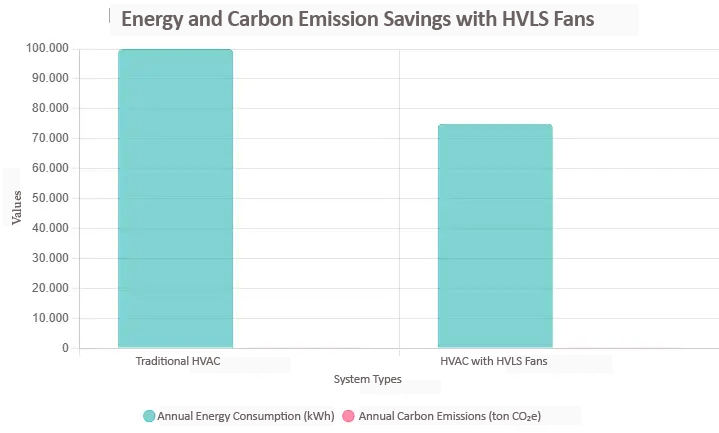
HVLS fans have begun to take an important place in the sustainability strategies of environmentally conscious businesses. Compared with the high energy demands and environmental impacts of traditional systems, these fans offer a simpler, more effective, and nature-friendly solution. Providing advantages both economically and ecologically, this technology also fully aligns with green building goals and low-carbon visions.
Are HVLS Fans Suitable for Use in Every Area?
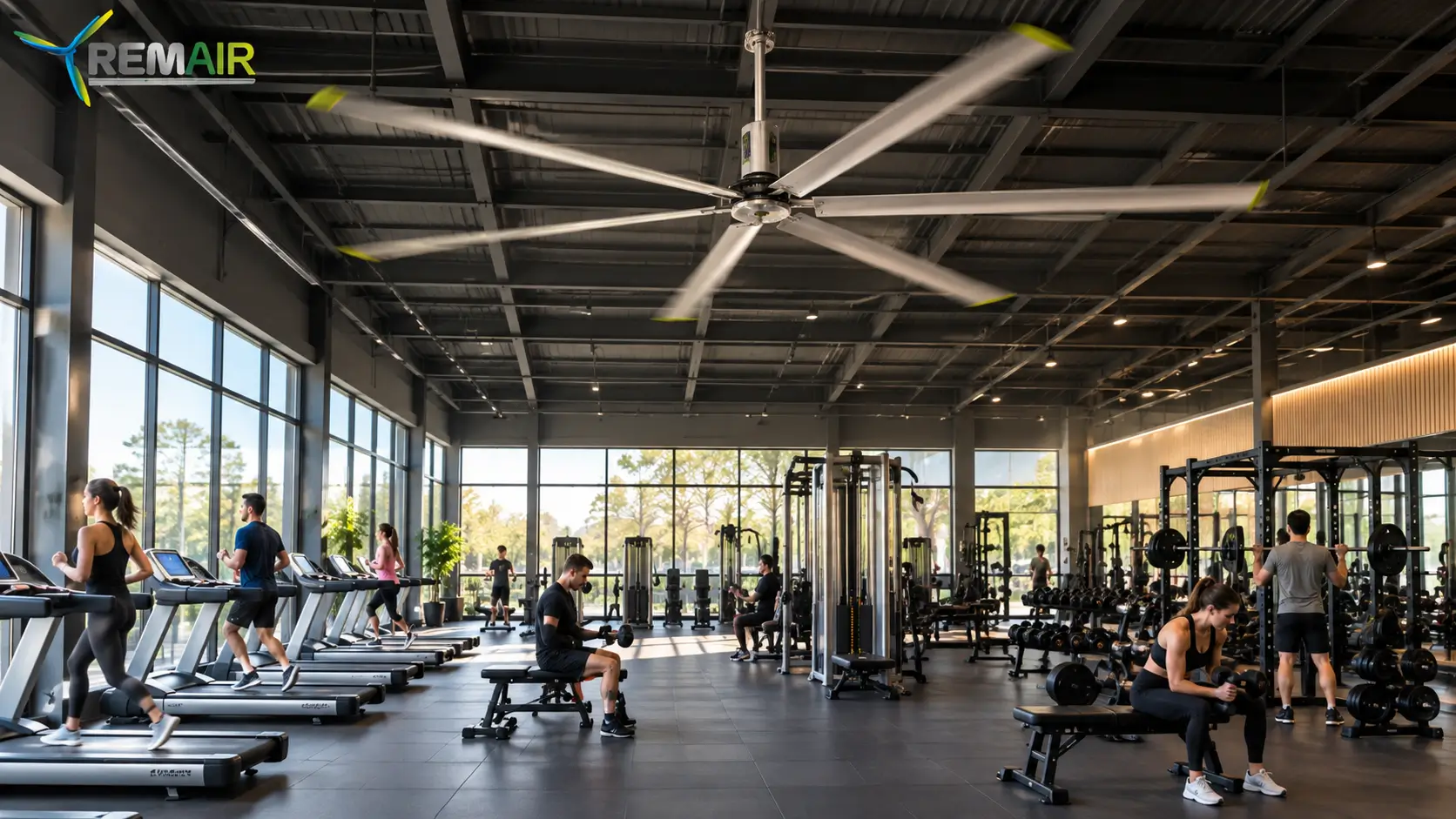
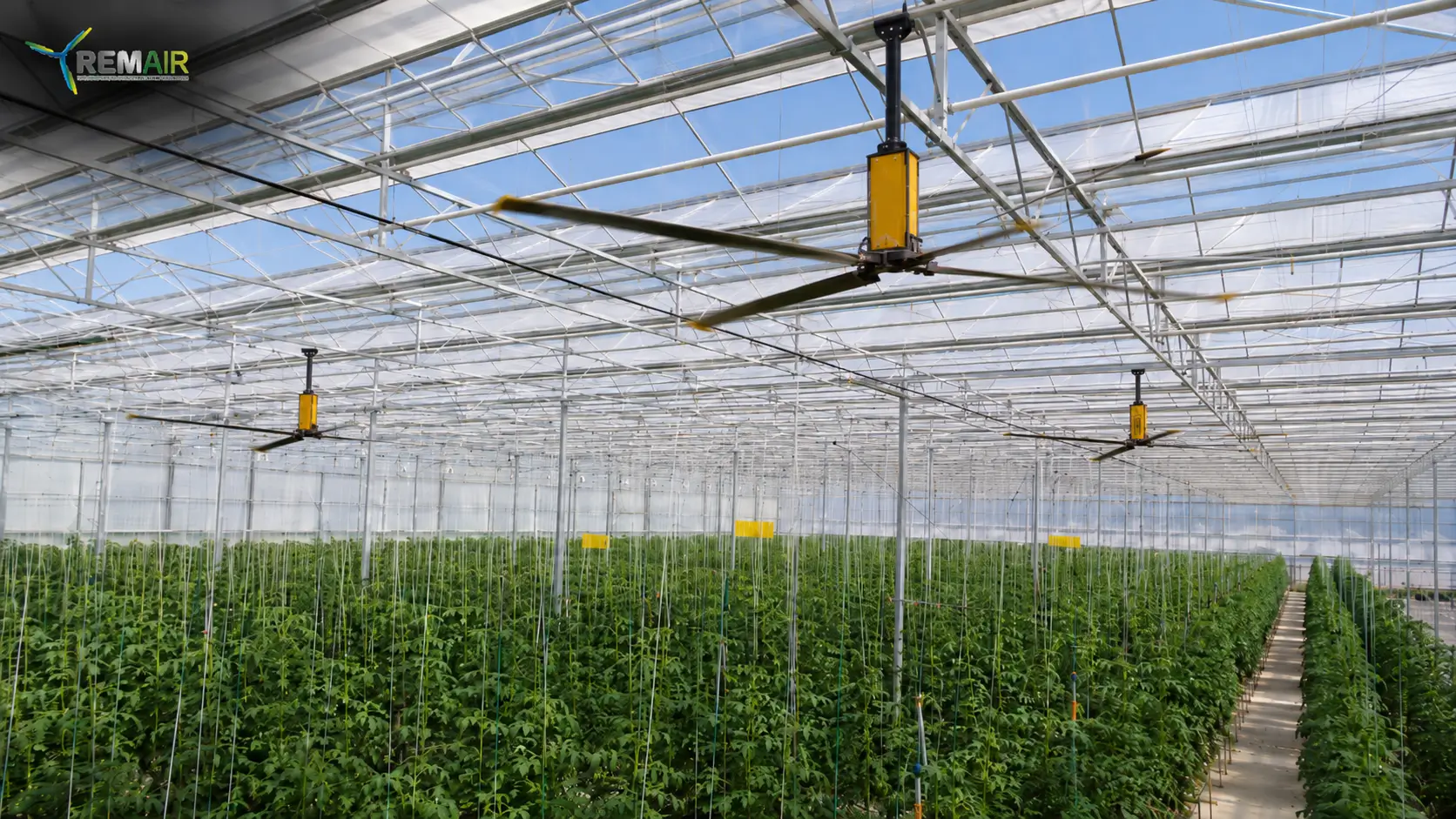
Because HVLS fans provide effective air circulation in large spaces, they are suitable for use not only in industrial facilities but also across different sectors. From production plants to warehouses, from gyms to airports, they deliver performance and energy efficiency. Thanks to their low-speed, high-volume operating principle, they create cooling and air balance in large spaces. This increases user comfort while lowering energy costs.
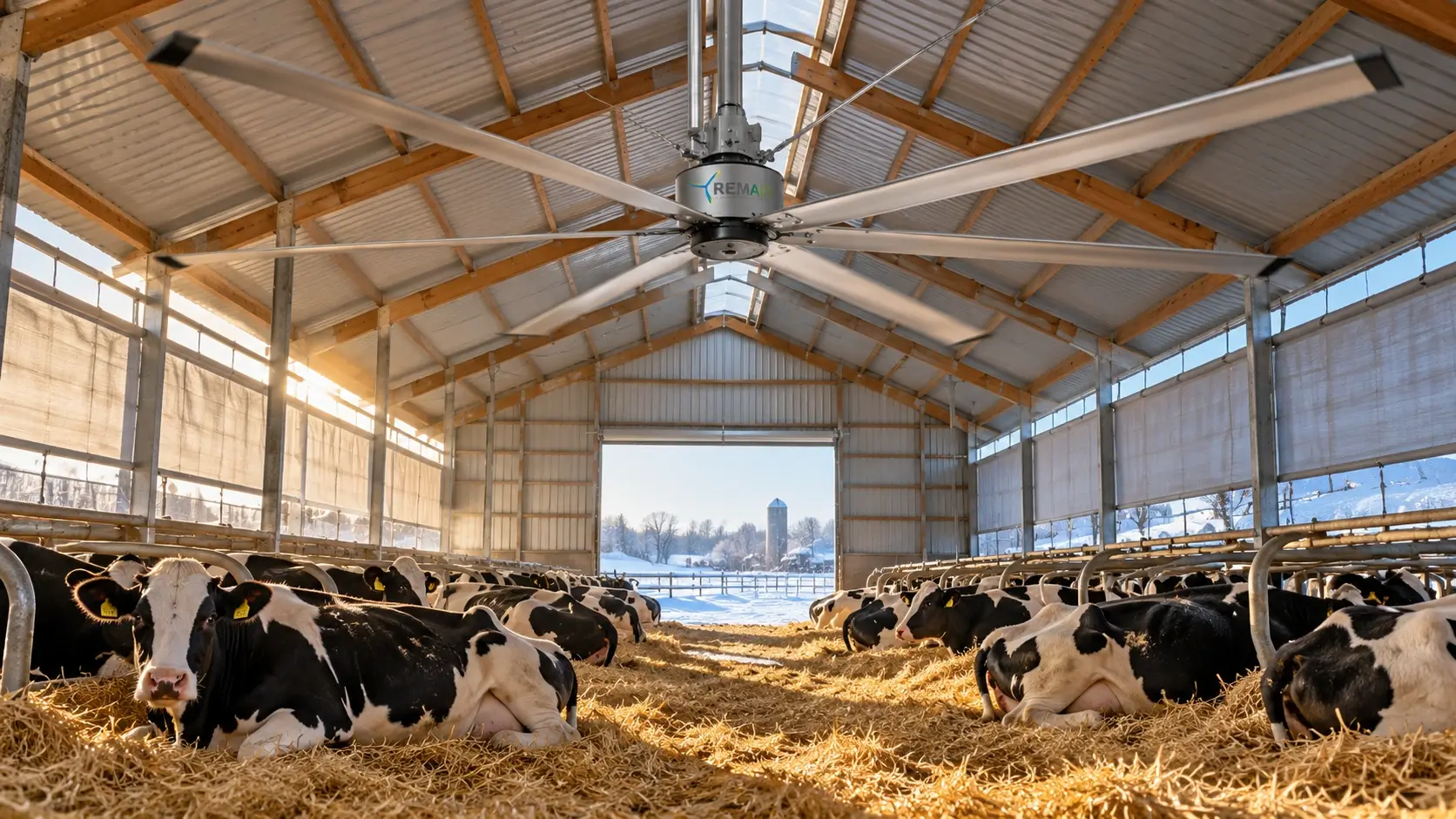
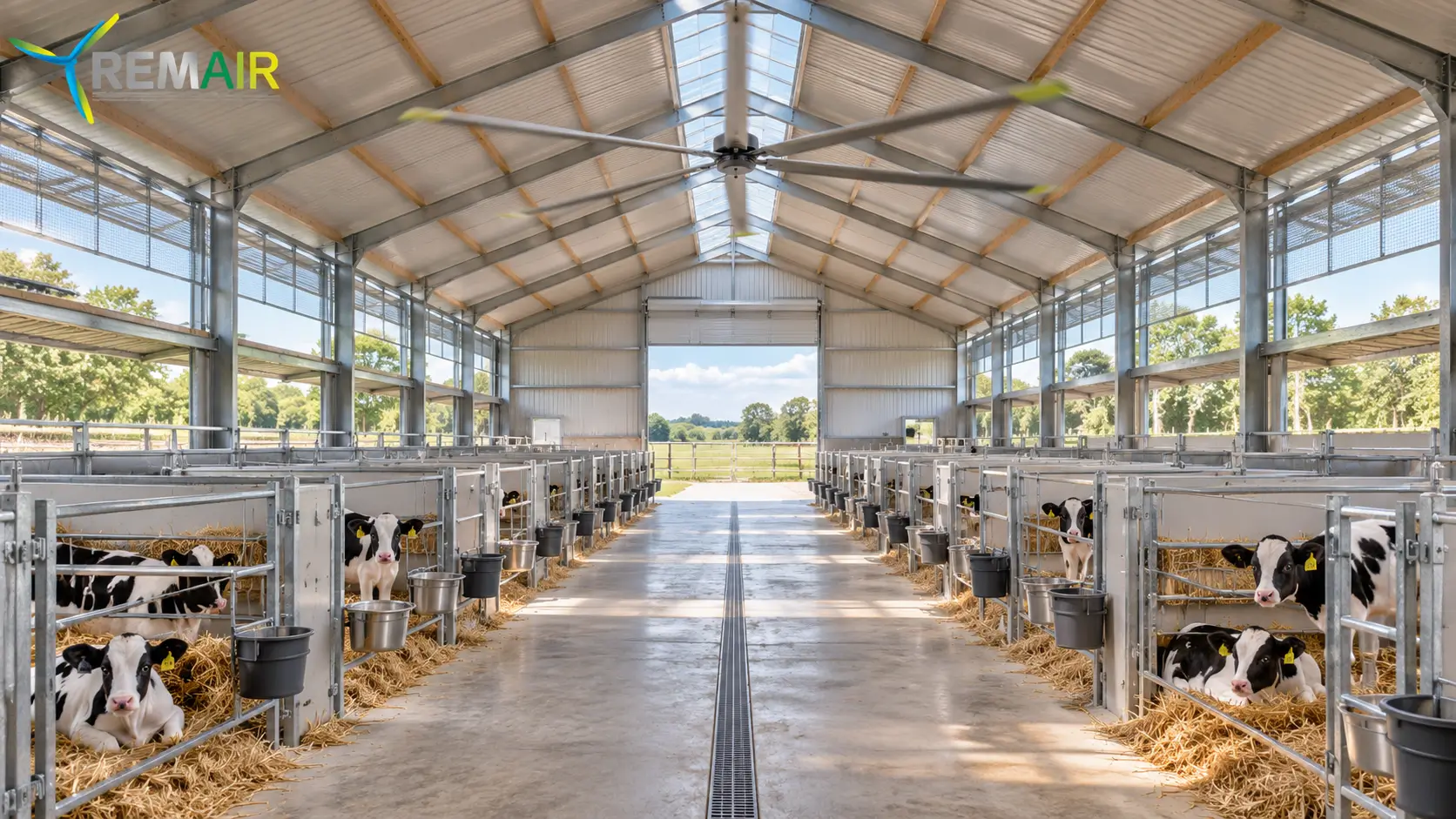
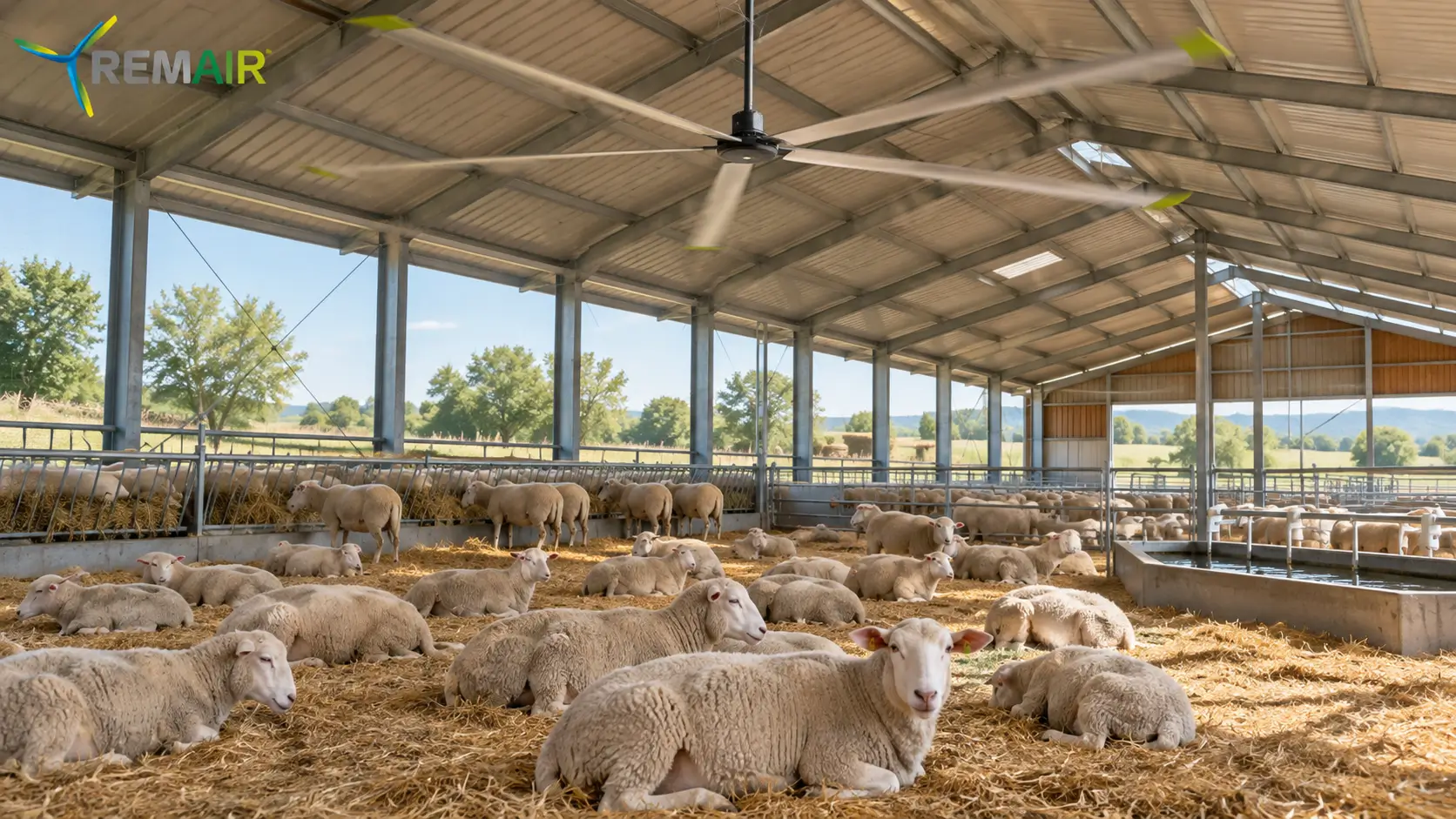
Every space has different needs, and HVLS fans are designed with the flexibility to address this variety. They can be easily adapted to different use cases such as supporting hygiene conditions in food production facilities, improving air quality in gyms, and balancing temperatures in animal shelters. Since mounting options and diameters can vary, it is possible to find a model suitable for every area. Thus, they stand out not only as cooling devices but also as solutions that protect environmental health.
HVLS fans deliver effective results not only in large volumes but also in medium-sized indoor spaces when strategically positioned. With proper design, they can be used in a wide range of places from office areas to educational institutions. In addition to energy savings, their quiet operation ensures an uninterrupted user experience. In this respect, HVLS technology is a valid solution in any setting for those who want to combine comfort with sustainability.

Leave a Comment