
A dairy cow is an animal that constantly expends energy to keep its body temperature stable. When the air temperature exceeds a certain threshold, the cow reduces feed intake, moves less and experiences metabolic imbalance while trying to cool itself. The first and most visible consequence is a sharp decline in milk yield. In many regions of Türkiye, daily milk yield losses of 10 to 25 percent during the summer months have now become commonplace.
An important point is this: heat stress is not caused by temperature alone, but by the combined pressure of temperature and humidity. A humid 26°C can be far more exhausting than a dry 30°C. In this article, we examine one by one the conditions under which heat stress begins in cows, how it manifests in the animal, its effects on milk production and fertility, and most importantly, the practical measures you can take in the barn to reduce these losses.
What is heat stress in cows, and above what temperature does it begin?
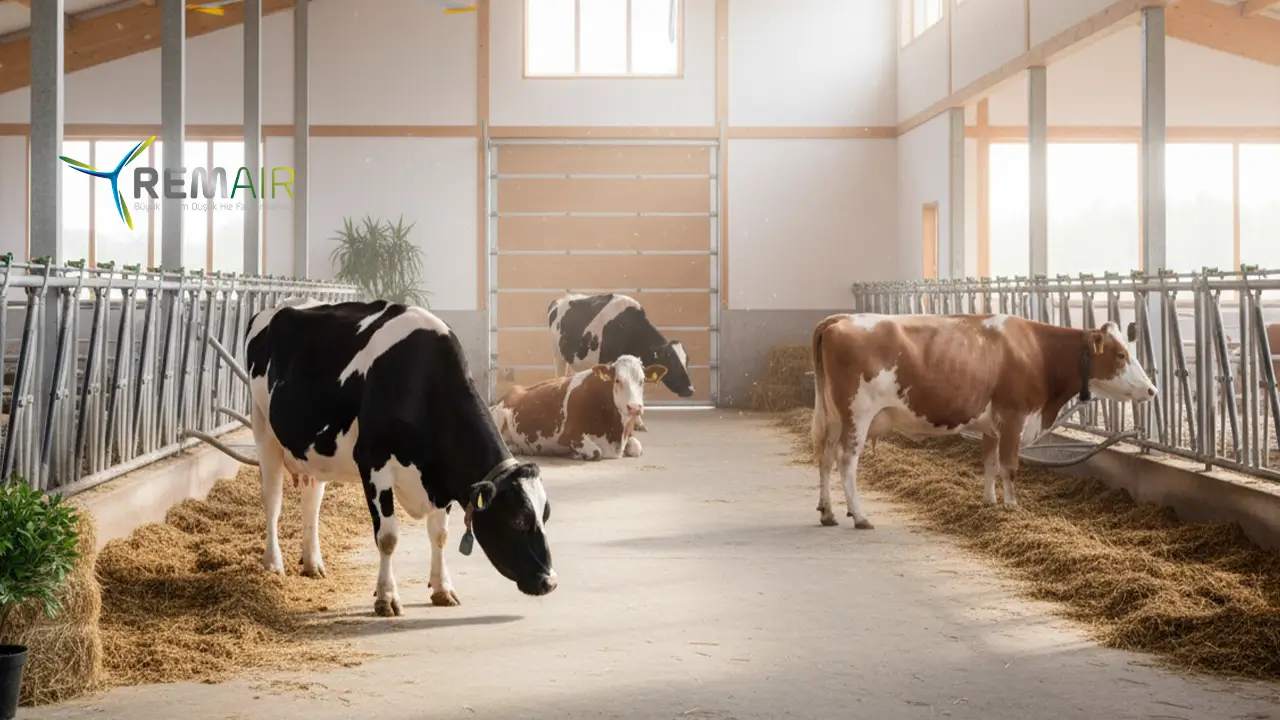
Heat stress occurs when a cow cannot release the body heat it produces into the environment. Cattle are ruminants and generate a considerable amount of heat in the rumen during digestion. A cow can easily dissipate this heat in cool weather, but cannot do so in a hot and humid environment. As body temperature begins to rise, the animal increases its breathing rate, attempts to sweat and moves away from feed to reduce heat production. This entire compensation process is what we call heat stress.
The temperature range in which a cow feels most comfortable is approximately 5 to 20°C. Within this range, the animal is neither cold nor overheated, so it can devote almost all of its energy to milk production. When the temperature rises above 22°C, especially when humidity is also high, signs of stress begin in high-producing cows.
The industry uses a measure that evaluates temperature and humidity together: the temperature-humidity index. For modern, high-producing dairy cows, an index above 68 indicates the onset of mild heat stress. When the index exceeds 72, production losses become clearly visible; above 80, the animal's health is seriously endangered and intervention becomes essential.
What must be kept in mind here is that the threshold is not a fixed number. A cow producing 40 litres of milk per day will struggle much sooner than a dry or low-producing cow. High production means high metabolism and therefore more internal heat. The most productive animals in your herd will be the first and most severely affected by hot weather.
How can we tell that a cow is overheated? (Signs and clues)
One useful aspect of heat stress is that its early signs can be observed quite easily. A farmer who knows the herd can tell that the animals are struggling even without looking at a thermometer. A short walk through the barn in the morning and at midday is often enough. The main signs to watch for are:
- Rapid and shallow breathing: A healthy cow at rest breathes 25 to 40 times per minute. Under heat stress, this number rises above 80; in severe cases, the animal breathes with its mouth open and tongue extended.
- Excessive drooling and foaming: Saliva hanging from the mouth is a result of the animal increasing its breathing rate to cool down.
- Rushing to water and crowding around troughs: Cows drink much more frequently and for longer periods than normal, creating congestion around water sources.
- Clustering in shaded areas and places with airflow: Animals crowd together in cool corners and avoid open, sunny areas.
- A marked decrease in feed intake: Feed bunks remain full, especially during daytime hours, and the animals show little interest in eating.
- Increased time spent standing: When cows lie down, a larger part of their body comes into contact with the floor and warms up, so they prefer to remain standing for long periods in order to cool themselves.
- Reduced rumination: Digestive activity slows down, which negatively affects rumen health.
If you observe several of these signs at the same time, you should act without delay. By the time you notice the signs, the animal has already begun sacrificing production. Early intervention largely prevents both production losses and health problems that may arise later.
Why does hot weather reduce milk yield, and by how much?
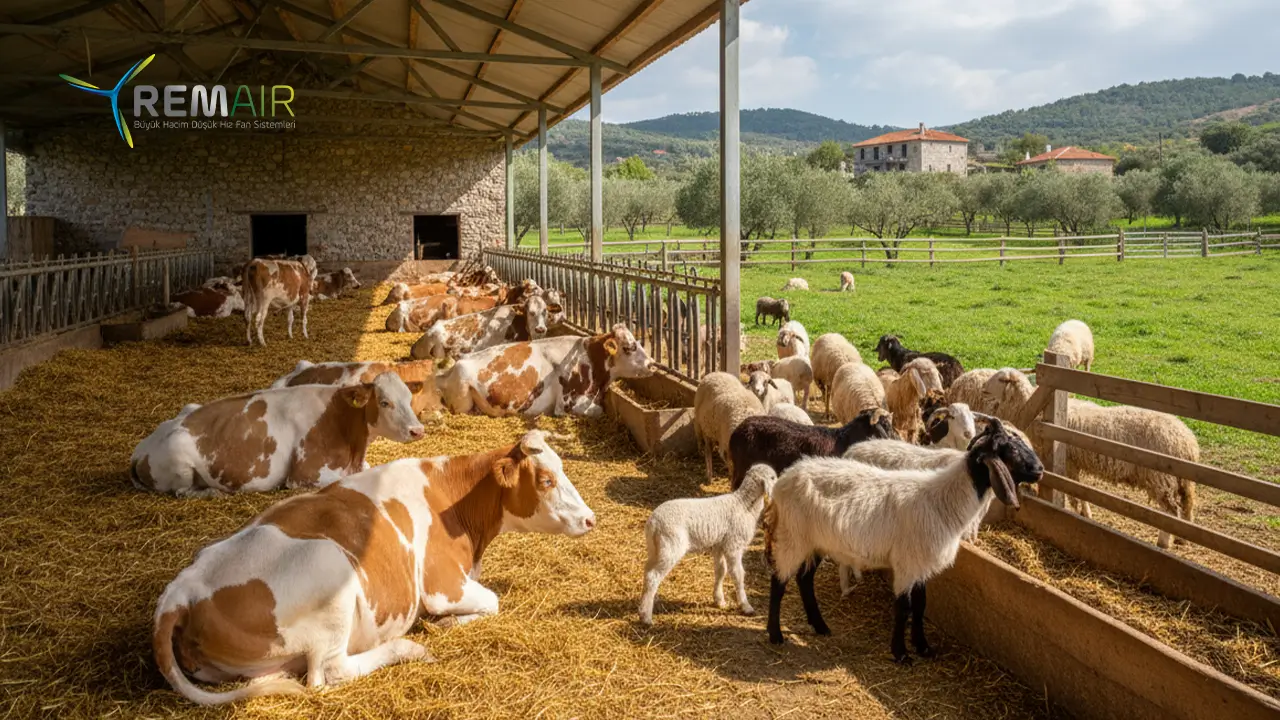
The first underlying reason for the decline in milk yield is reduced feed intake. When a cow eats in hot weather, it produces additional heat during digestion, which makes the animal struggle even more. The cow instinctively knows this and loses its appetite. A cow consuming less dry matter cannot obtain enough energy and nutrients to produce milk. For this reason alone, daily yield can fall substantially.
The second reason is the redirection of energy. Under normal conditions, a significant share of the energy allocated to milk production is used in hot weather to cool the body. Faster breathing, sweating and changes in circulation all require energy. In other words, the cow takes in less nutrition and uses part of what it does consume for cooling. When these two effects combine, milk yield comes under pressure from both directions.
Although the amount of loss varies with conditions, a 10 to 25 percent decline in daily milk yield is typical under moderate heat stress. The rate may rise further in high-producing animals and during prolonged heat waves. Moreover, the effect is not limited to that day; even when cooler days follow a long period of heat stress, production usually returns to its former level only after several weeks.
Not only quantity but also milk quality is affected. Fat and protein levels in the milk of heat-stressed cows tend to decline. Deterioration in rumen health directly affects milk fat. Consequently, the farmer loses both in litres and in component quality, which also has a negative impact on milk pricing.
How does heat stress affect oestrus and fertility in cows?
One of the most costly effects of hot weather is seen in fertility, and unfortunately it is also one of the last to be noticed. While milk loss becomes evident within a few days, fertility problems emerge months later during pregnancy checks. This is why the cost of a summer problem is often paid in autumn through cows that remain open.
Heat stress first weakens signs of oestrus. Because the animal is less active in hot weather, the activity it normally shows during oestrus decreases. This increases the incidence of what is known as silent heat, which is very difficult to detect visually. The oestrus period becomes shorter and usually shifts to the cooler hours of the night. As a result, insemination timing is missed and the success rate declines.
The problem does not end with detecting oestrus. Heat stress impairs egg quality and makes it more difficult for the embryo to establish itself during the first days after fertilisation. Early embryonic deaths increase. In other words, even if the cow is inseminated and fertilised, the pregnancy often does not continue. This overall condition is called summer infertility and is one of the most insidious sources of production loss in herd management.
For this reason, cooling measures used during hot periods protect not only milk production, but also future calves and therefore the continuity of the business. Scheduling inseminations for the coolest hours of the day and increasing the frequency of oestrus monitoring during summer are among the easiest steps that can be taken to reduce losses.
How should cows be fed on hot summer days?
The logic of summer feeding can be summarised in one sentence: provide more energy with less feed. Since a cow with a reduced appetite will eat less than normal, every bite it consumes needs to be more nutritious. For this purpose, the energy density of the ration is increased. While maintaining the proportion of high-quality forage, a controlled amount of fat source can be added to the ration to close the energy gap. This is the most practical way to provide energy without burdening the animal with additional eating.
Simply adjusting feeding times can make a major difference. Instead of distributing feed during the hot midday hours, most feeding should be shifted to the early morning and cooler evening hours. The cow has a better appetite when it is cool, and the digestive heat produced during the day is reduced. Keeping feed fresh at all times and removing sour or heated feed from the bunk also helps maintain appetite.
The importance of water multiplies in summer. The more milk a cow produces and the hotter the weather, the more water it consumes. Water should always be clean, cool and abundant, and there should be enough troughs so that animals do not have to wait for one another. A cow with restricted access to water will automatically reduce its feed intake, because these two behaviours are closely linked.
With sweating and rapid breathing, the animal loses significant amounts of minerals from its body. For this reason, supplementing summer rations with minerals such as potassium, sodium and magnesium is appropriate. The use of buffering agents to keep rumen acidity balanced also helps protect digestive health in cows with reduced appetite. When these small adjustments are combined, a significant part of the production loss can be offset.
How should fan and sprinkler systems be set up to prevent heat stress in barns?
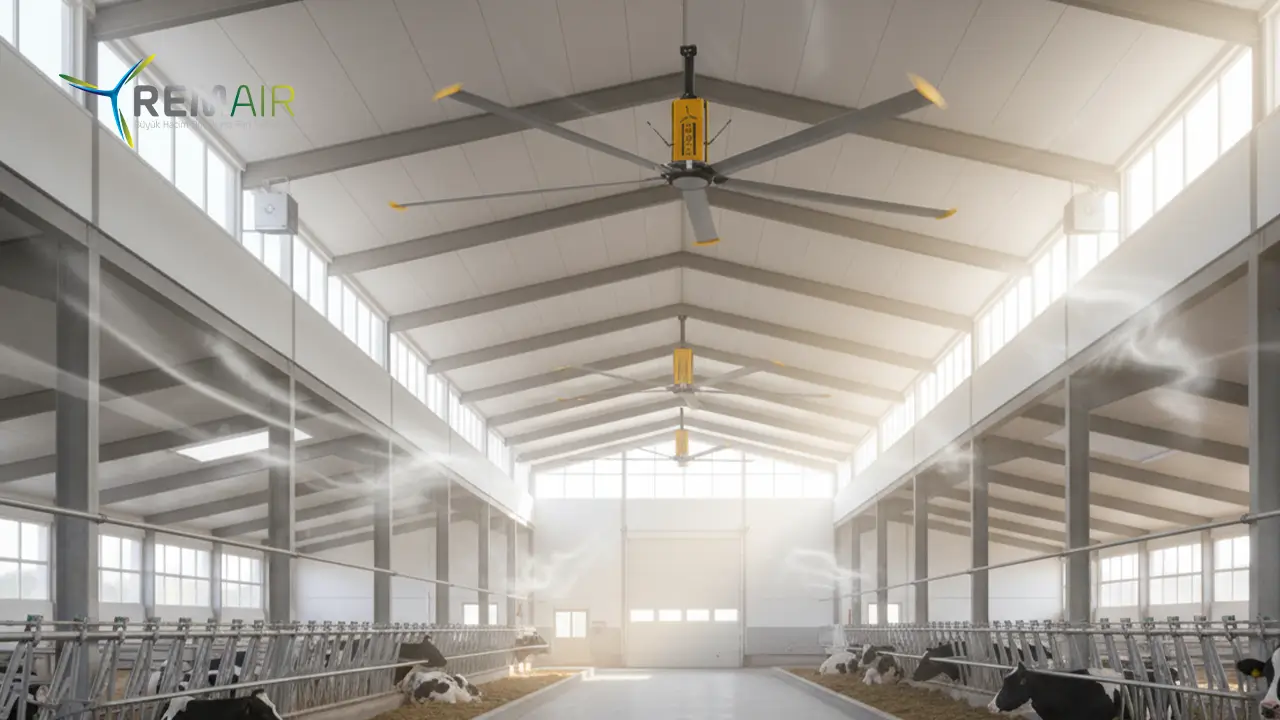
Feeding measures limit losses, but the real solution is to cool the animal's environment. The most effective combination here is a fan and sprinkler system. A fan alone sweeps hot air away from the cow and creates a cooling sensation, while the sprinkler wets the animal's skin. When the two work together, water evaporating from the wet skin genuinely lowers body temperature. This method is called evaporative cooling and delivers the most efficient results in hot climates.
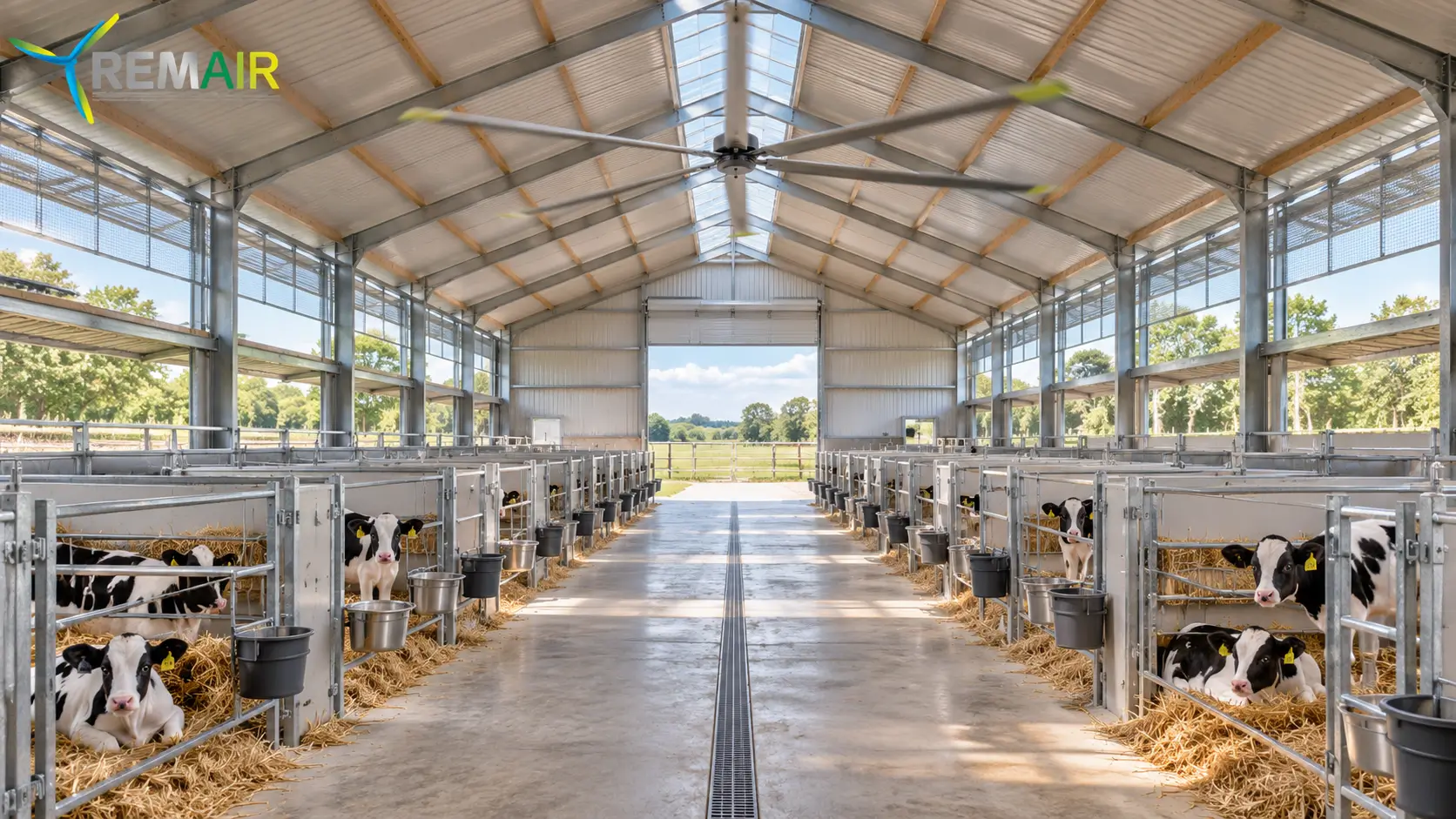
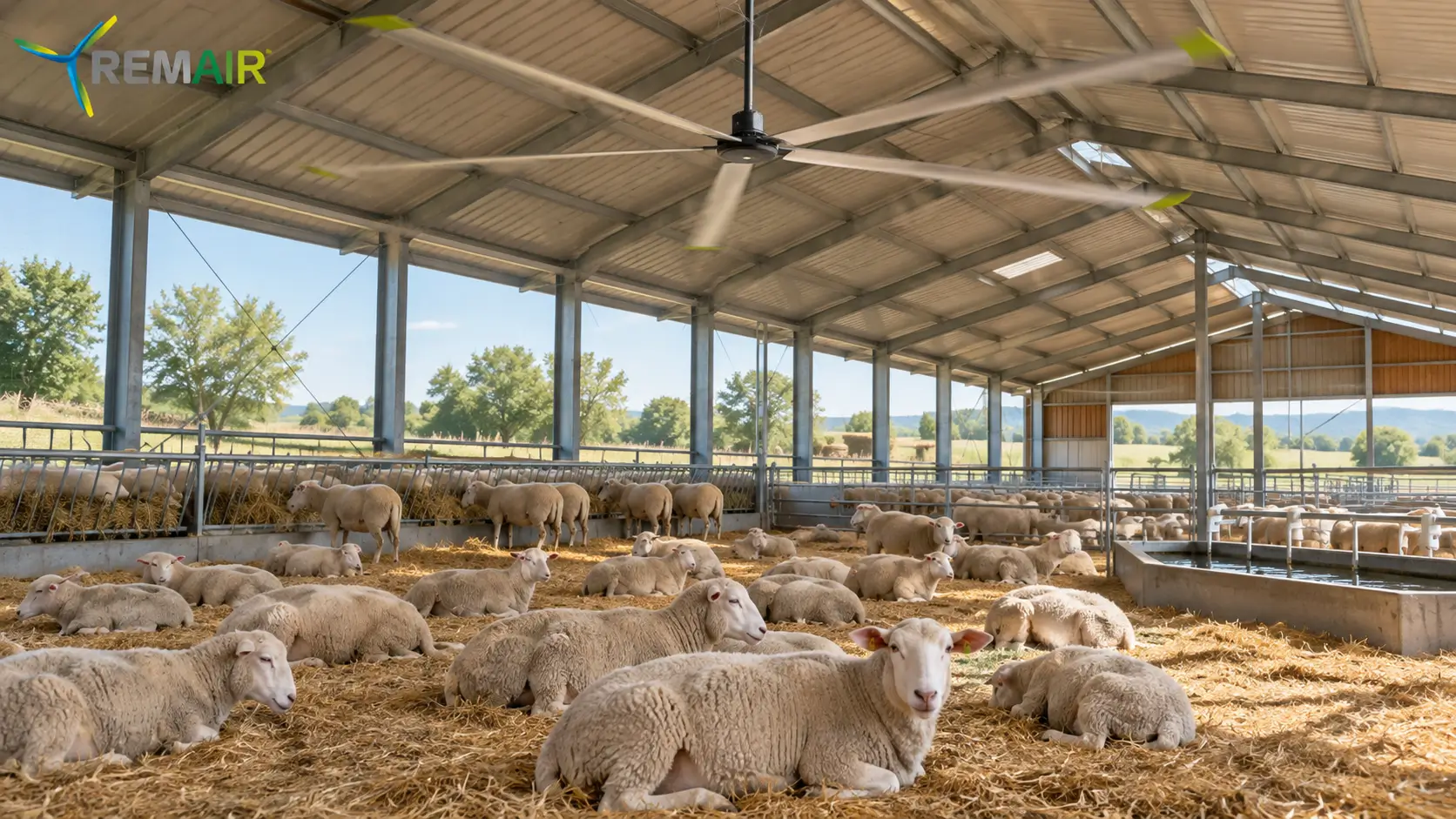
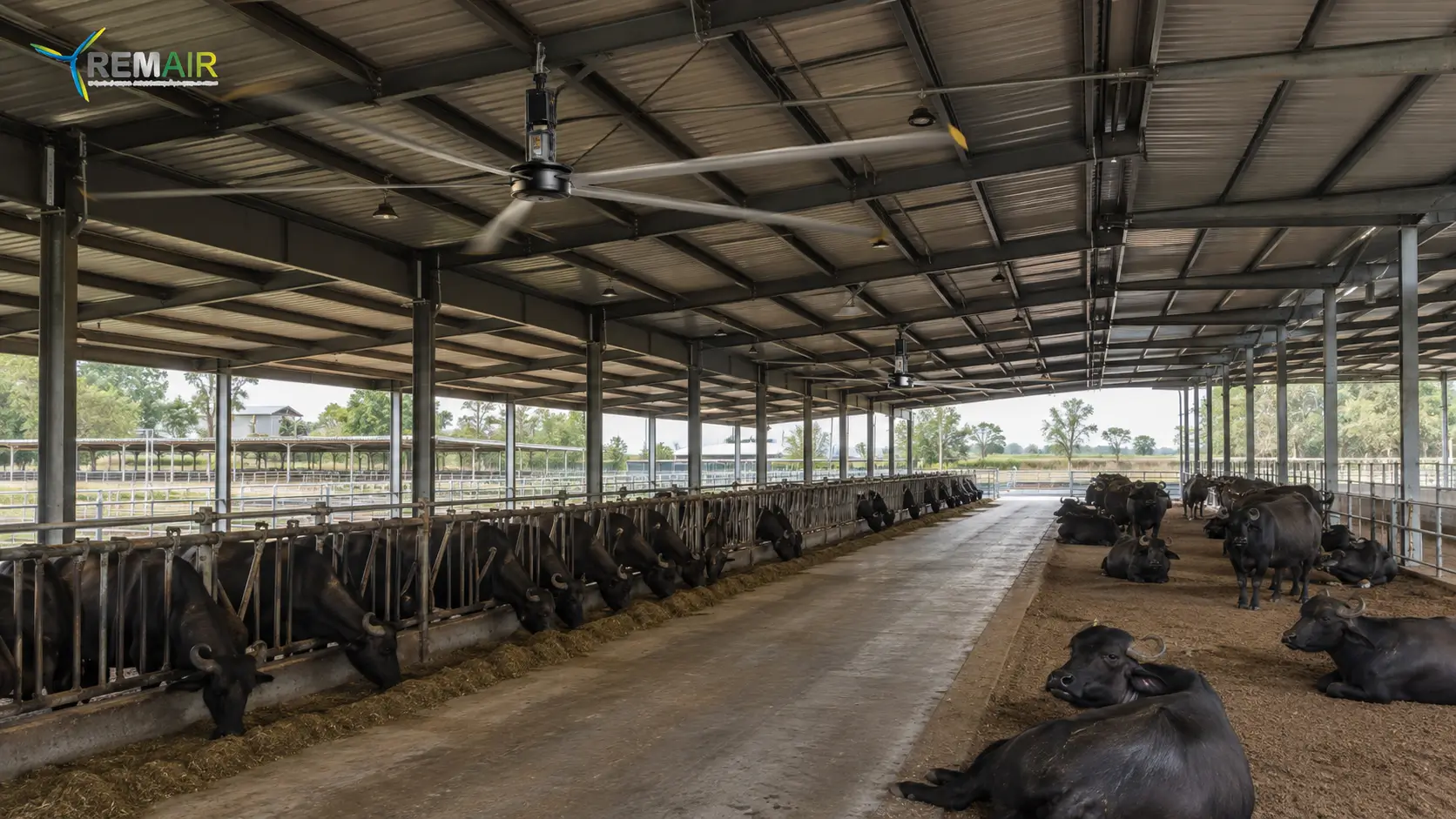
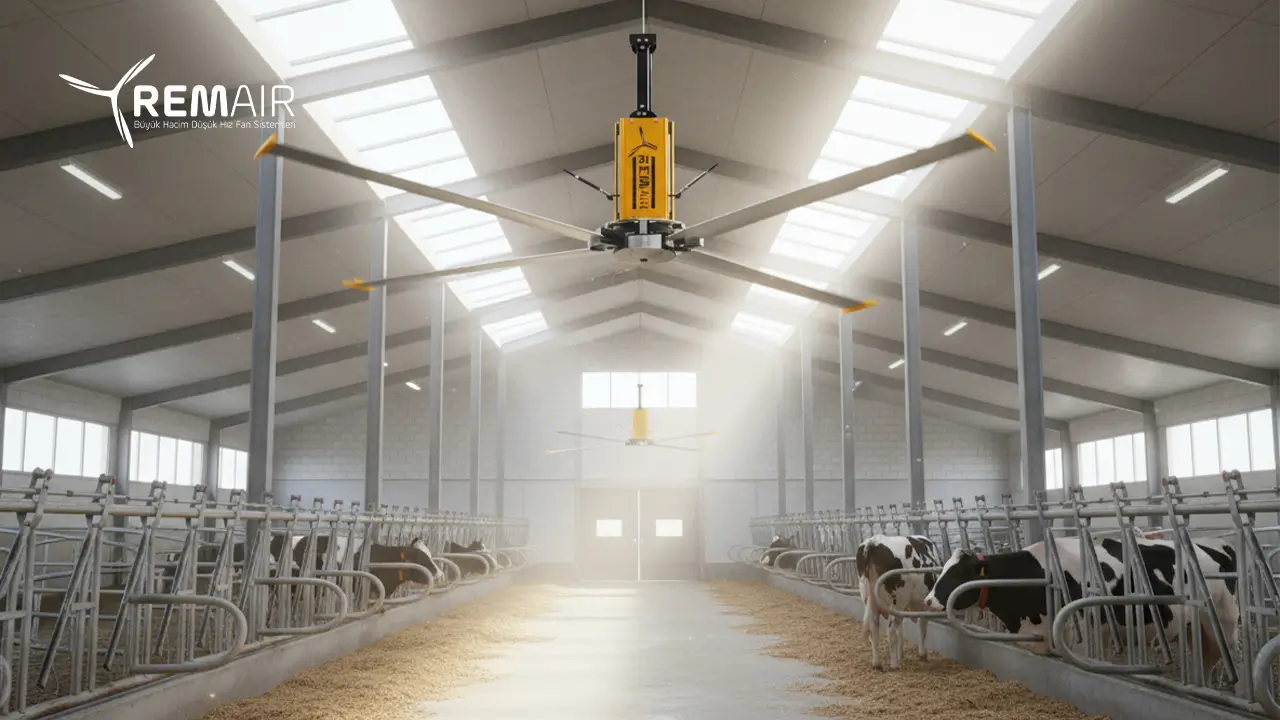
Fan placement is just as important as fan capacity. Fans should primarily be directed toward the two areas where cows spend most of their time: above the feed bunk and the resting area. They must be positioned at the correct angle and at a speed that creates noticeable airflow over the animal. Fans with insufficient output or the wrong direction consume electricity without providing the expected cooling.
The purpose of a sprinkler system is not to humidify the air, but to wet the animal. Therefore, coarse droplets that reach the skin should be preferred over fine-mist nozzles. The system should operate at set intervals, wetting the animal for a period and then pausing so the fans can dry it. Keeping the environment constantly wet may increase humidity and reverse the intended effect, so the wetting and drying cycle must be adjusted correctly.
The only disadvantage of these systems is that they create a significant electricity expense because they operate almost continuously throughout the summer. The fact that the hours with the greatest cooling demand are also the sunniest hours of the day presents an important opportunity. Many businesses are turning to solar-powered solutions to supply the energy needed by fans and sprinklers, thereby substantially reducing cooling costs. To increase the output obtained from the panels, solar tracking systems that follow the sun throughout the day stand out.
Practical and economical ways to cool dairy cows
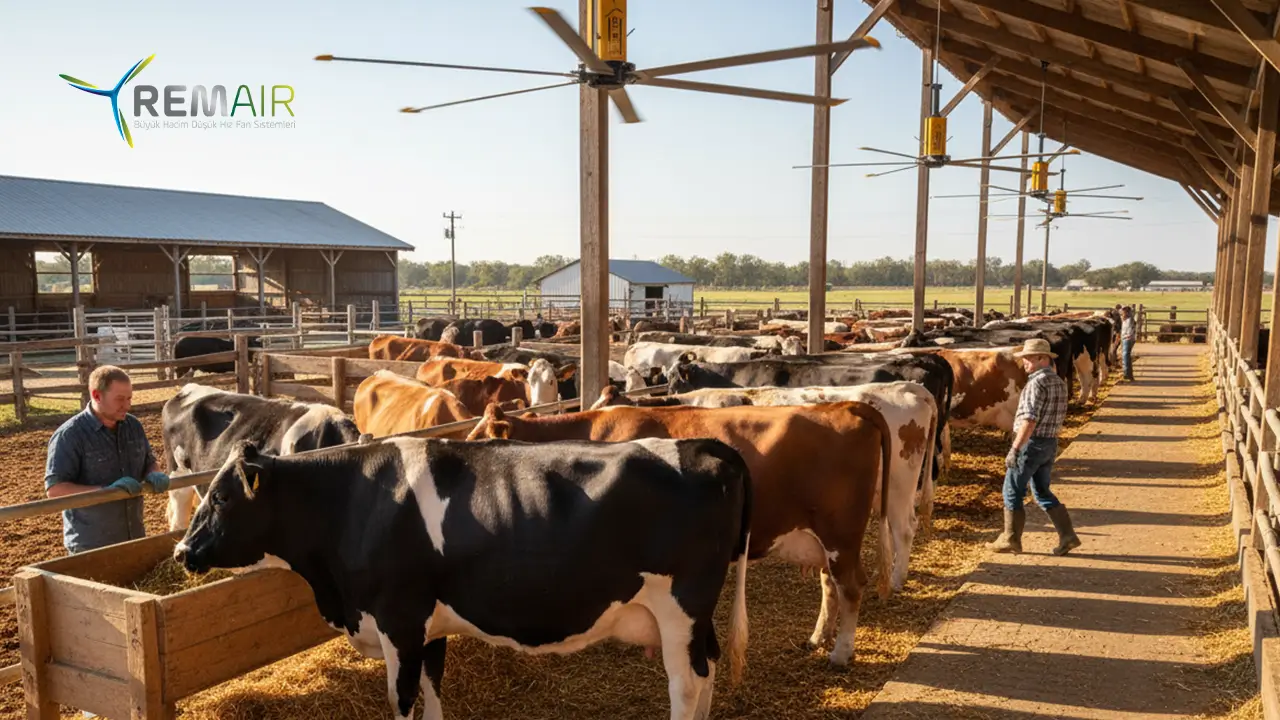
Not every business has a budget suitable for major investments. Fortunately, there are also low-cost, even nearly free, ways to reduce heat stress. Although the following measures make only small contributions individually, when applied together they form a highly effective cooling strategy:
- Increasing shelters and shaded areas: Installing shade structures in exercise areas or planting trees protects animals from direct sunlight.
- Insulating the roof or painting it a light colour: Light-coloured roofs reflect solar heat, while insulation reduces the temperature inside the barn.
- Strengthening natural ventilation: Opening the side curtains of the barn and regulating air intake and exhaust creates airflow at virtually no cost.
- Increasing the number of water troughs and keeping them cool: A sufficient number of clean water sources makes it easier for animals both to drink and to cool themselves.
- Moving grazing and activity to cooler hours: Letting animals move around in the early morning and late evening rather than in the midday heat reduces their burden.
- Using fans and sprinklers together: Even a low-capacity fan combined with a simple sprinkler setup makes a very large difference compared with taking no measures at all.
- Supplying cooling energy from the sun: One of the solutions with the fastest long-term return on investment is to power cooling systems with renewable energy.
Calculating your needs in advance will make it easier to scale these measures correctly. Based on the size of your barn and the number of fans and sprinklers you use, you can determine the installation capacity you need with a solar energy calculator before making the investment. This allows you to structure your budget correctly and convert cooling expenses throughout the summer into a fixed cost.
In short, heat stress is a problem that silently erodes both milk production and fertility when ignored; however, it can be brought largely under control with proper monitoring and a few practical measures. Observing the herd carefully, adapting feeding to summer conditions and supporting cooling systems with an economical energy source allow you to get through the summer months with stable production rather than losses.

Leave a Comment