
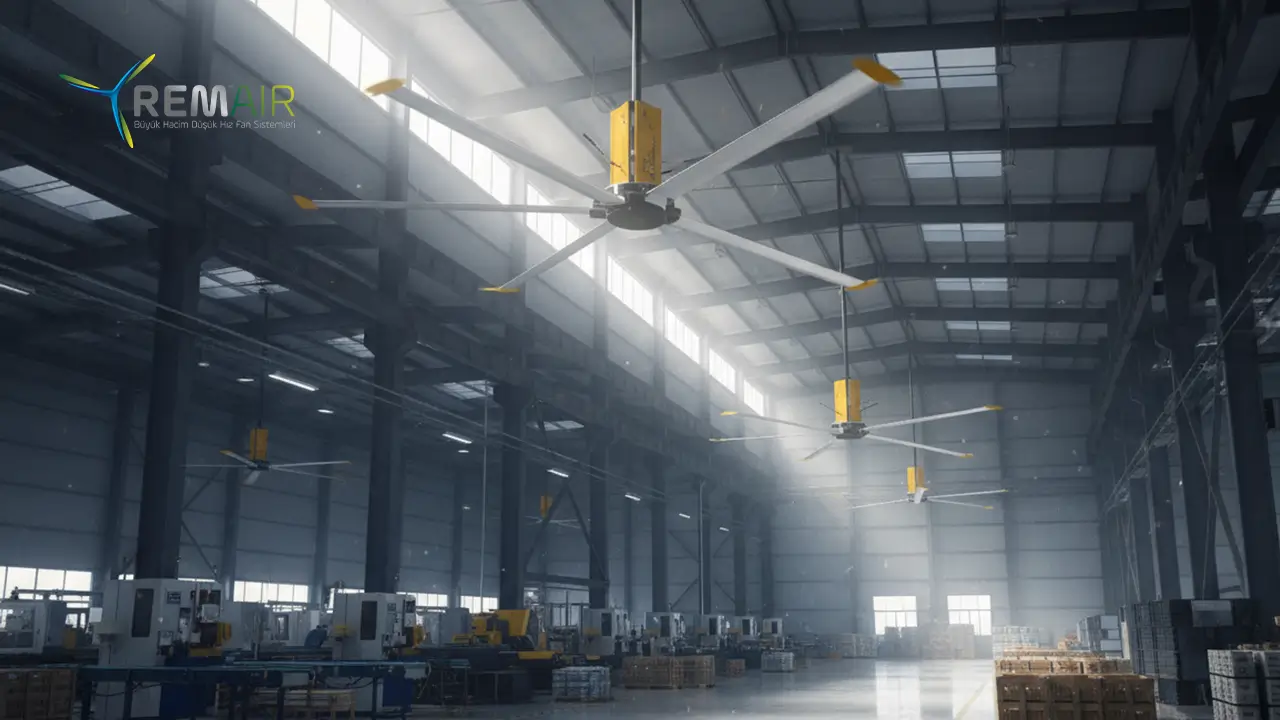
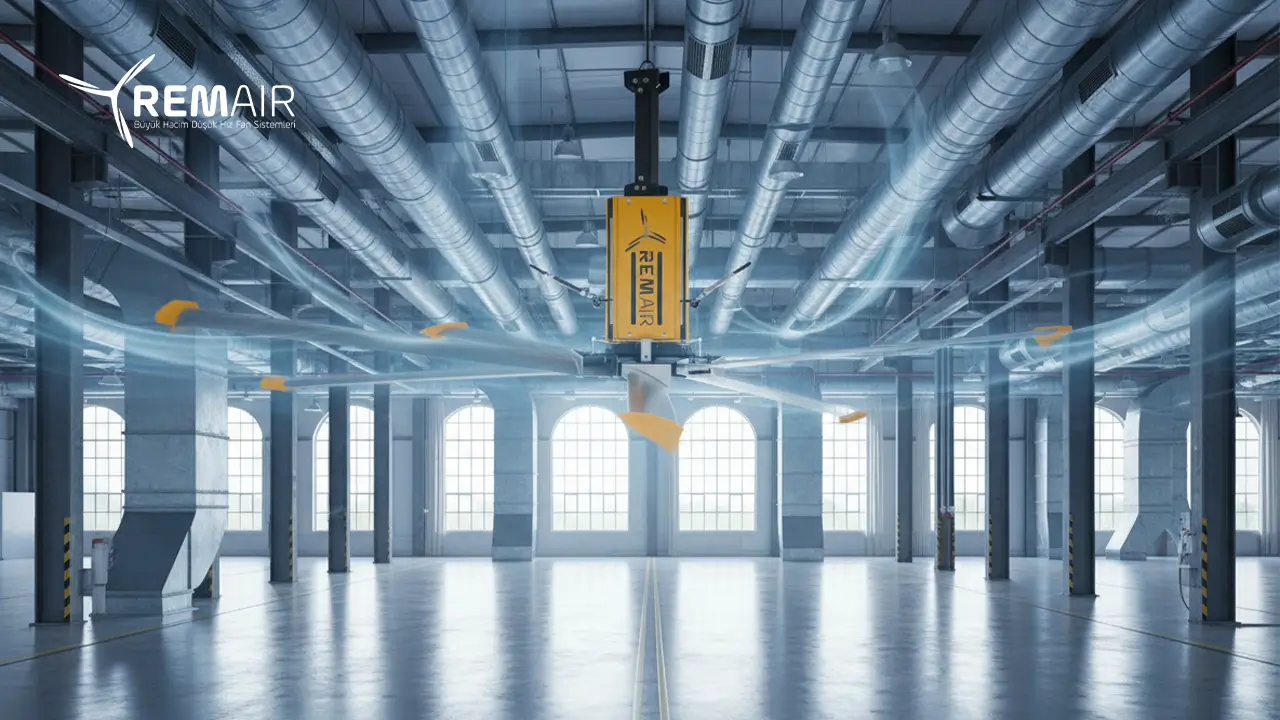
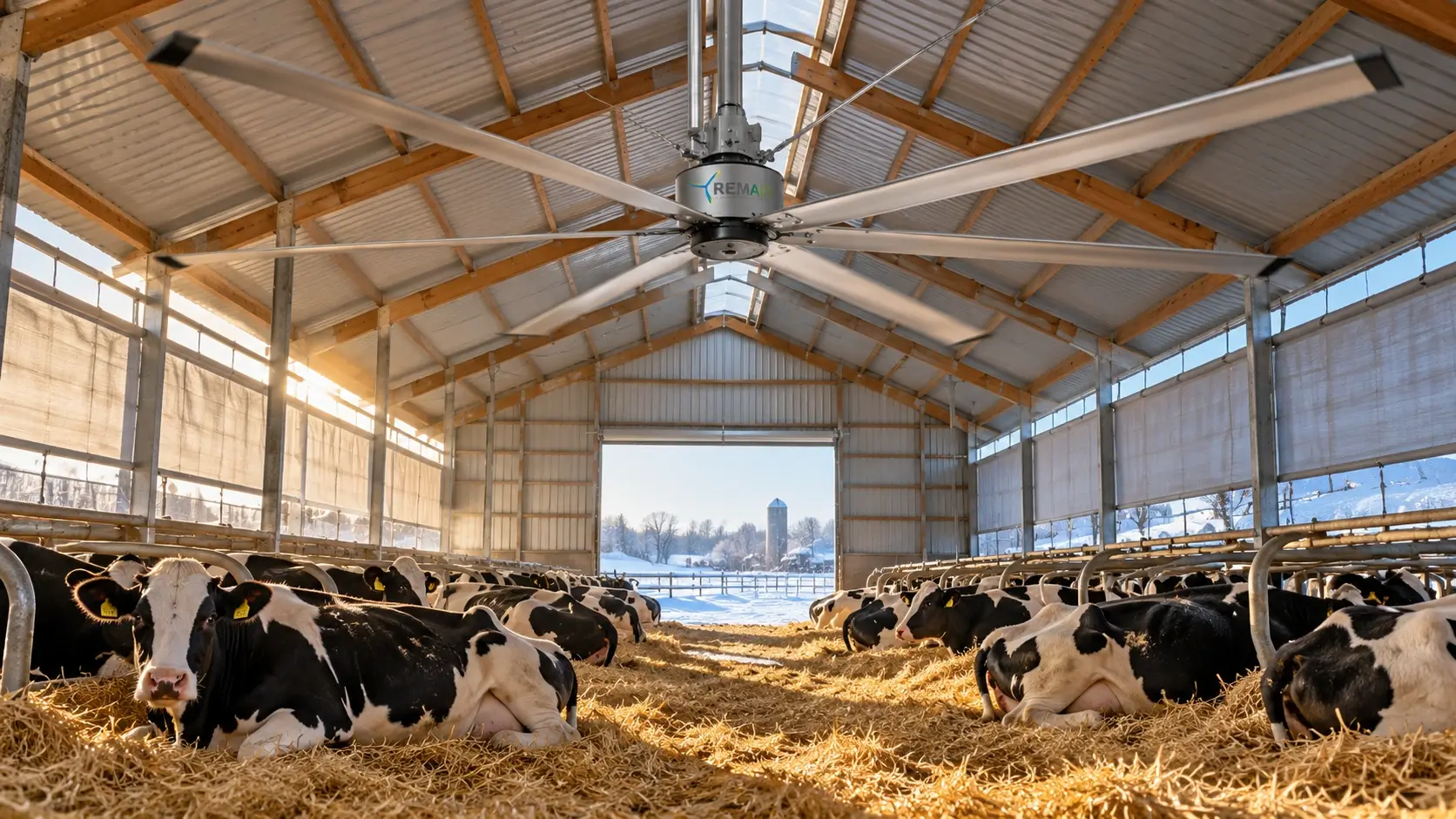

Although helicopter fans and air conditioners may seem to do the same job at first glance, they are actually two very different methods of cooling and comfort. Air conditioners provide direct cooling by lowering the temperature of the air in the environment. A helicopter fan, on the other hand, does not cool the air; it distributes a large volume of air over a wide area at low speed, creating a continuous airflow and a noticeable cooling sensation on the body. In other words, one changes the air temperature, while the other moves the air. This distinction directly determines which system will work more efficiently in which type of space. Below, we compare the two systems from every angle.
Why Are Their Operating Principles So Different?
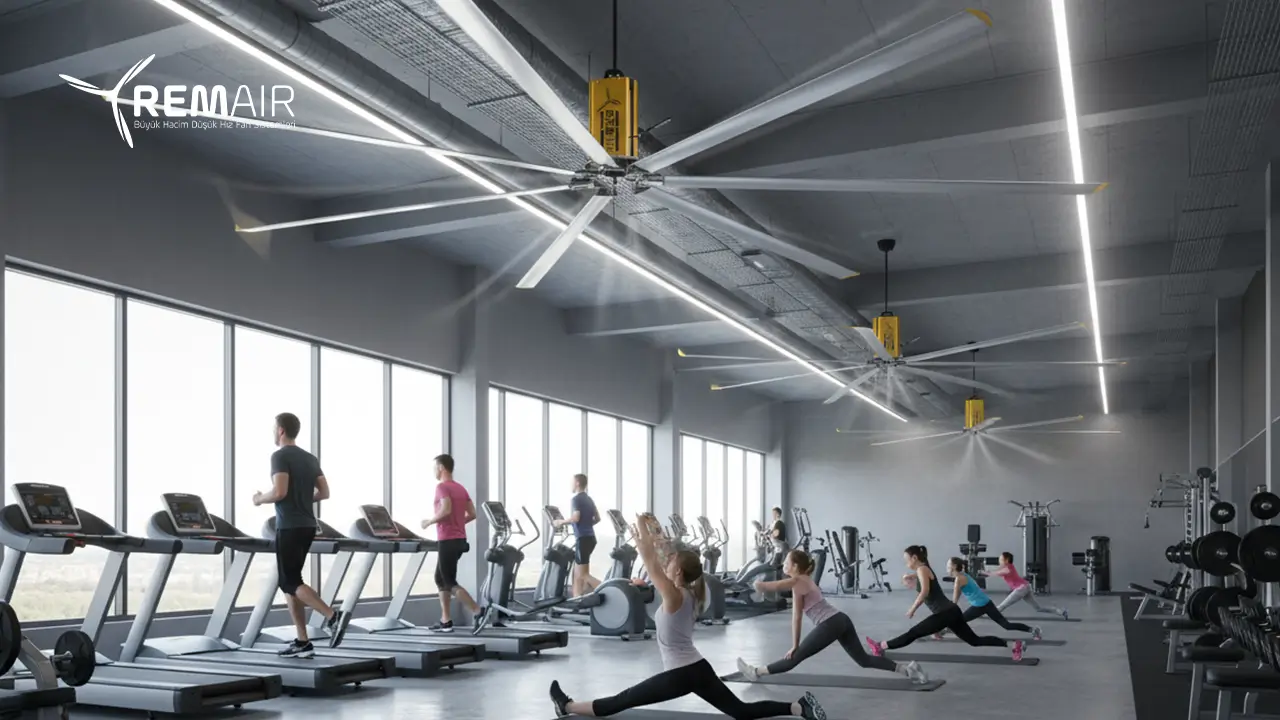
An air conditioner operates through a refrigerant cycle. It draws in warm air from the environment, removes its heat through the compressor and evaporator, and returns cooled air to the room. In this way, the temperature of an enclosed space is physically reduced. The process is effective, but it delivers real efficiency only in relatively small, enclosed spaces with good sealing.
The operating principle of a helicopter fan is entirely mechanical. Its wide blades rotate at low speed and push a large mass of air downward, creating balanced circulation from floor to ceiling. The air temperature does not change, but because continuously moving air accelerates the evaporation of sweat, the human body perceives the environment as several degrees cooler. You can find details about this technology on Remair's technology page.
Because the two systems are based on different principles, their results are also different. While air conditioning is ideal for those who want rapid cooling in an enclosed space, a helicopter fan provides comfort that spreads throughout high-ceilinged, large-volume areas. Therefore, it is more accurate to think of the two not as alternatives to each other, but often as complementary systems.
Energy Consumption and Operating Cost Comparison
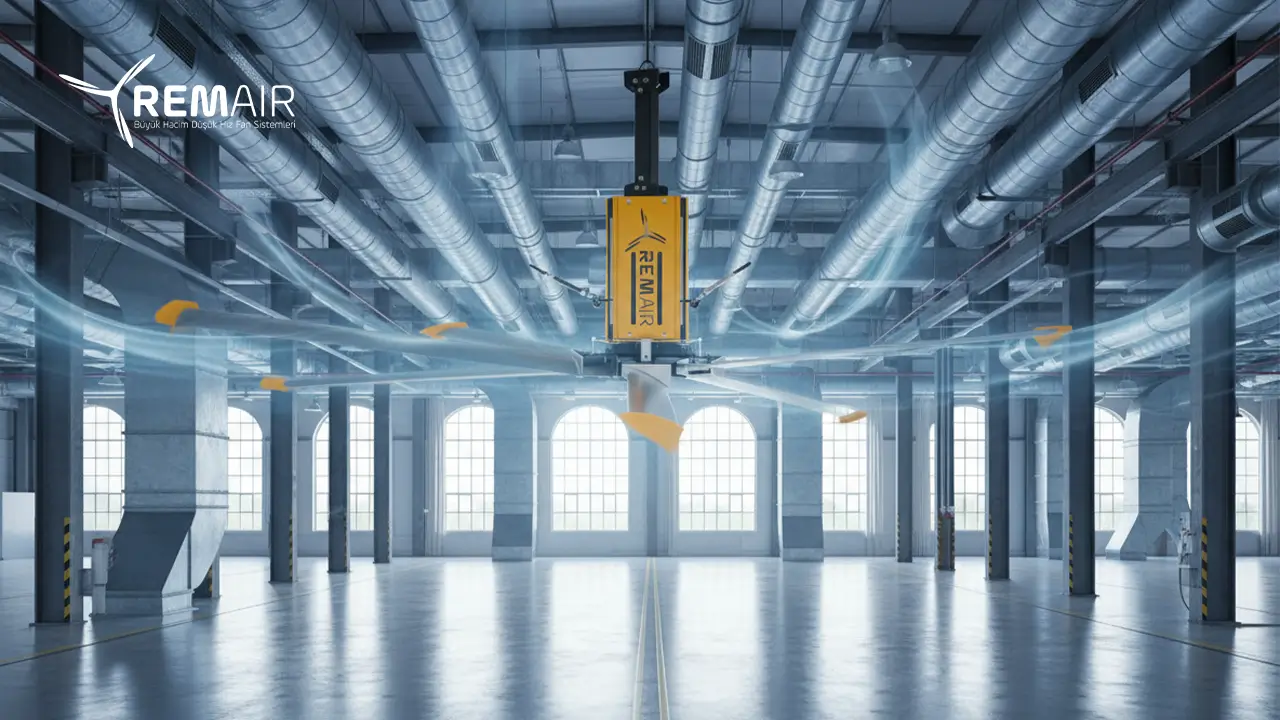
Energy consumption is often the item that has the greatest impact on a company's long-term expenses. At this point, a major difference emerges between the two systems. Air conditioning requires high power for cooling, and this cost rises sharply as the area grows. A helicopter fan can affect an area of the same size with far less energy.
In general terms, we can list the cost differences between the two as follows:
- A single helicopter fan can provide a cooling effect over an area of up to 1,500 square metres, whereas dozens of air-conditioning units may be required to achieve the same result.
- The hourly energy consumption of a helicopter fan is far below that of a large air-conditioning system.
- Recurring expenses such as refrigerant refilling, compressor failures and filter replacement can put pressure on the budget with air-conditioning systems.
- In fan systems, these types of consumable costs are almost negligible.
- In large-volume spaces, investing in a single fan quickly becomes less expensive than the installation and electricity costs of many air-conditioning units.
This difference becomes especially clear in large spaces such as factories, warehouses and production facilities. As the area to be cooled grows, the operating cost of air conditioning rises rapidly, while a helicopter fan becomes an increasingly sensible investment as scale increases. In short, although air conditioning may appear suitable in the short term, the real savings in large spaces come from the fan side.
Differences in Space Requirements, Installation and Mounting
Installation is an issue that many businesses overlook during the decision-making stage but may encounter problems with later. Air-conditioning systems require indoor units, outdoor units, copper piping and drainage lines. When multiple units are installed to cool a large area, both walls and exterior façades can become seriously cluttered.
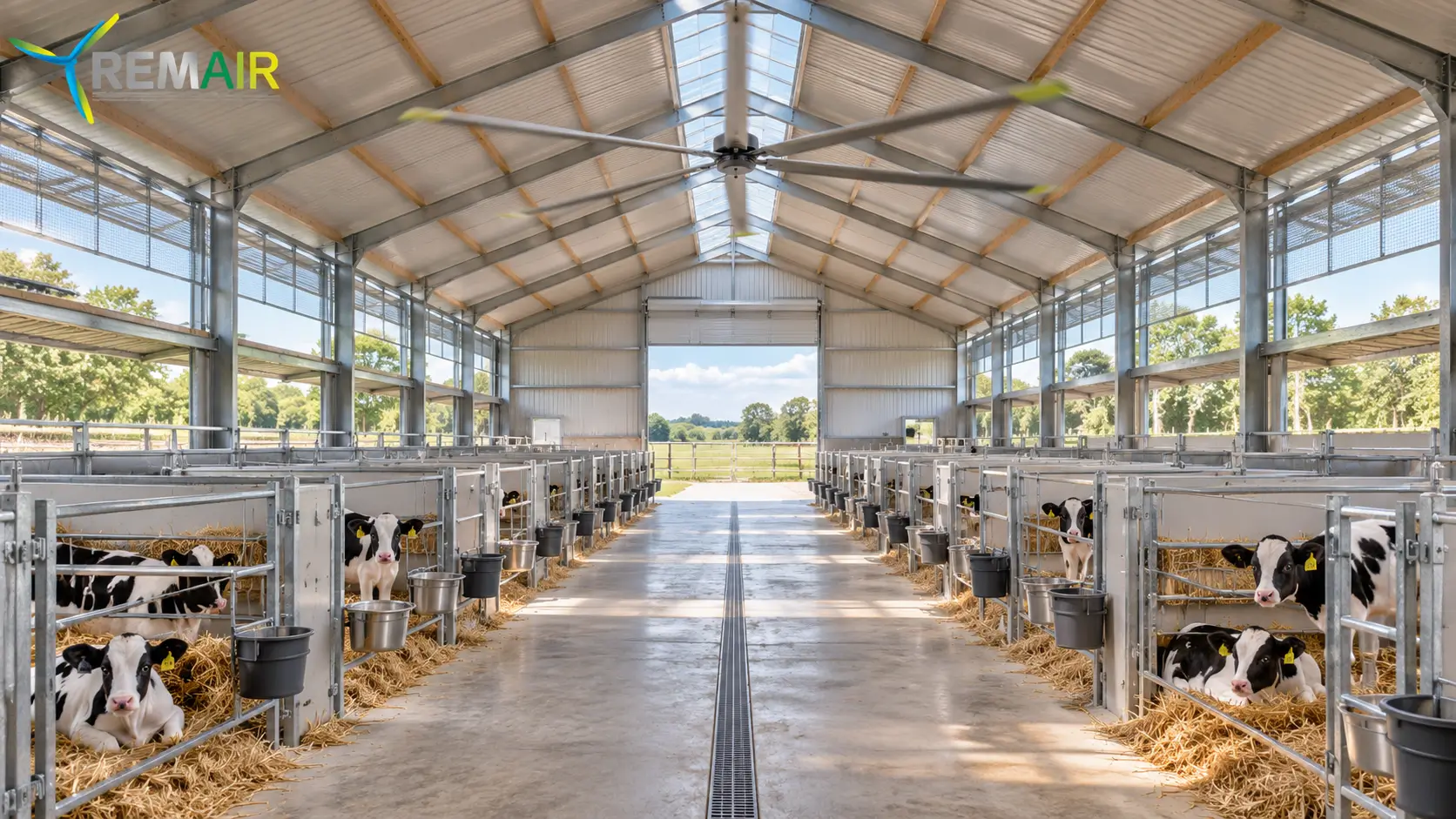
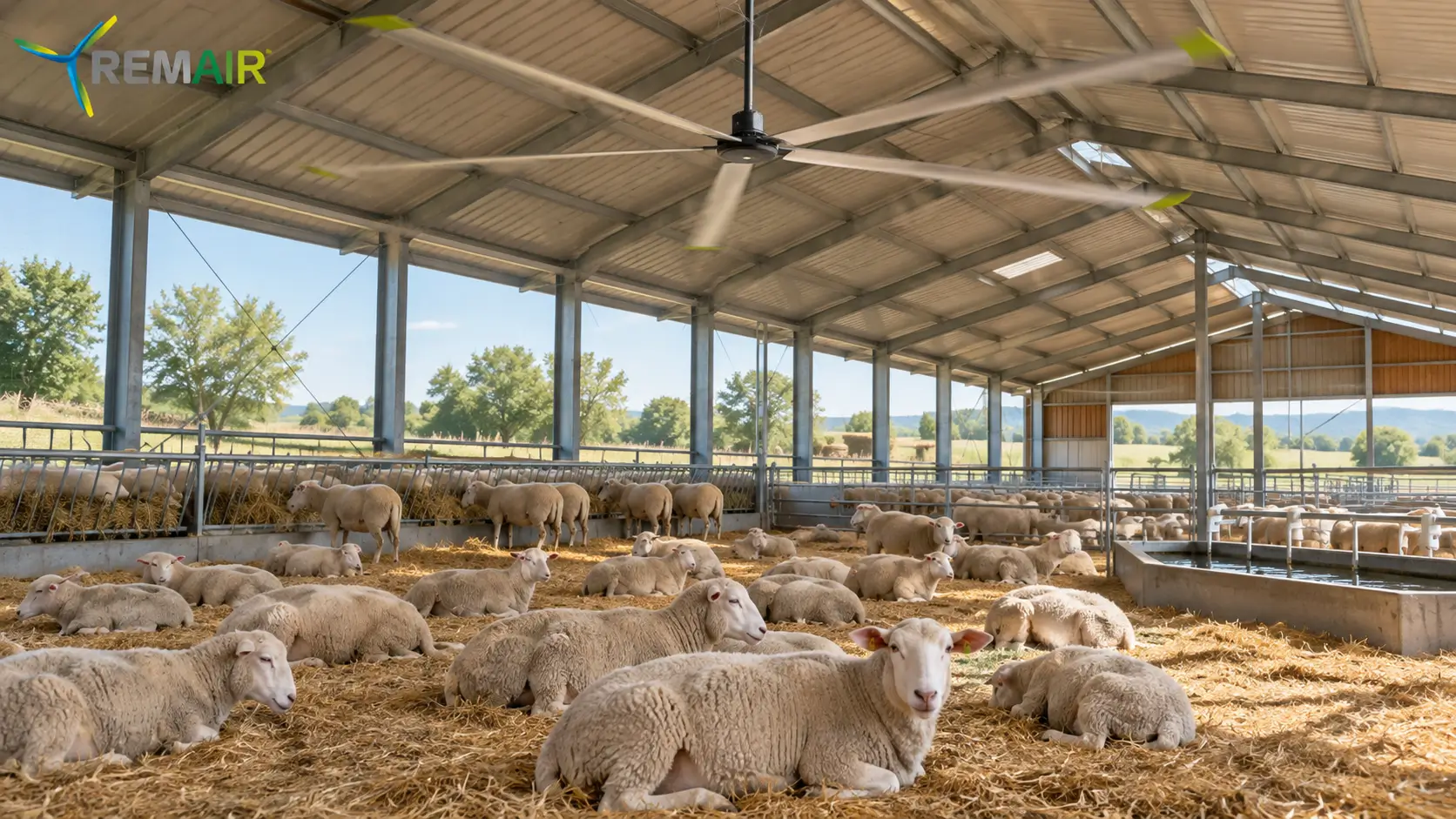
A helicopter fan is mounted to the ceiling from a single point and takes up no space on your floor or walls. It is especially advantageous in high-ceilinged areas because when the fan is installed overhead, the entire working area remains unobstructed. This gives businesses significant freedom of movement in terms of both forklift traffic and shelving layout.
Installation time is another decisive difference. While installing numerous air-conditioning units can take days, a helicopter fan can be mounted in a short time on a ceiling that has undergone the correct structural assessment. To choose the number of blades and diameter suitable for your space, you can review different models in the helicopter fans category.
Difference in Air Circulation and Comfort Experience
The cooling effect created by an air conditioner is concentrated around the area where the unit is located. While the air is noticeably colder near the unit, this effect decreases rapidly in distant corners. Especially in large spaces, this can create an imbalance where "one side is too cold and the other side is hot". In addition, direct airflow can become uncomfortable over time for people sitting underneath it.
The comfort provided by a helicopter fan is more uniform. Its wide blades distribute the air not to a single point but across the entire ceiling area. As a result, a similar level of airflow can be felt in every corner of the space. Because there is no sudden drop in temperature, the body adapts more gently to the cooling sensation, creating comfort that lasts throughout the day.
In winter, a lesser-known benefit of helicopter fans comes into play. In heated environments, warm air rises to the ceiling and a temperature difference develops between the ceiling and the floor. When the fan is operated in reverse at low speed, it pushes the warm air accumulated above back downward and balances the environment. While air conditioning is generally focused mainly on cooling, the fan can be a solution that works in all four seasons.
Maintenance Requirements and Service Life
When long-term ownership cost is considered, maintenance becomes a decisive factor. Air conditioners require regular attention. Filter cleaning, refrigerant checks, drainage-line maintenance and compressor-related failures can lead to both expenses and service waiting times over time. If neglected, performance drops quickly and energy consumption increases.
A helicopter fan is much less demanding in this respect. It has few moving parts, no complex cooling cycle, and no consumables that need regular replacement. A well-manufactured fan can continue operating for years with efficiency close to its first day. This significantly reduces the budget businesses need to allocate to maintenance.
Fan systems also stand out in terms of durability. Models designed for industrial use are long-lasting even in dusty and demanding environments. Choosing the right brand is important at this point; to review manufacturing quality and documentation, I recommend visiting the certificates and documents page.
Which Option Is More Suitable for Which Space?
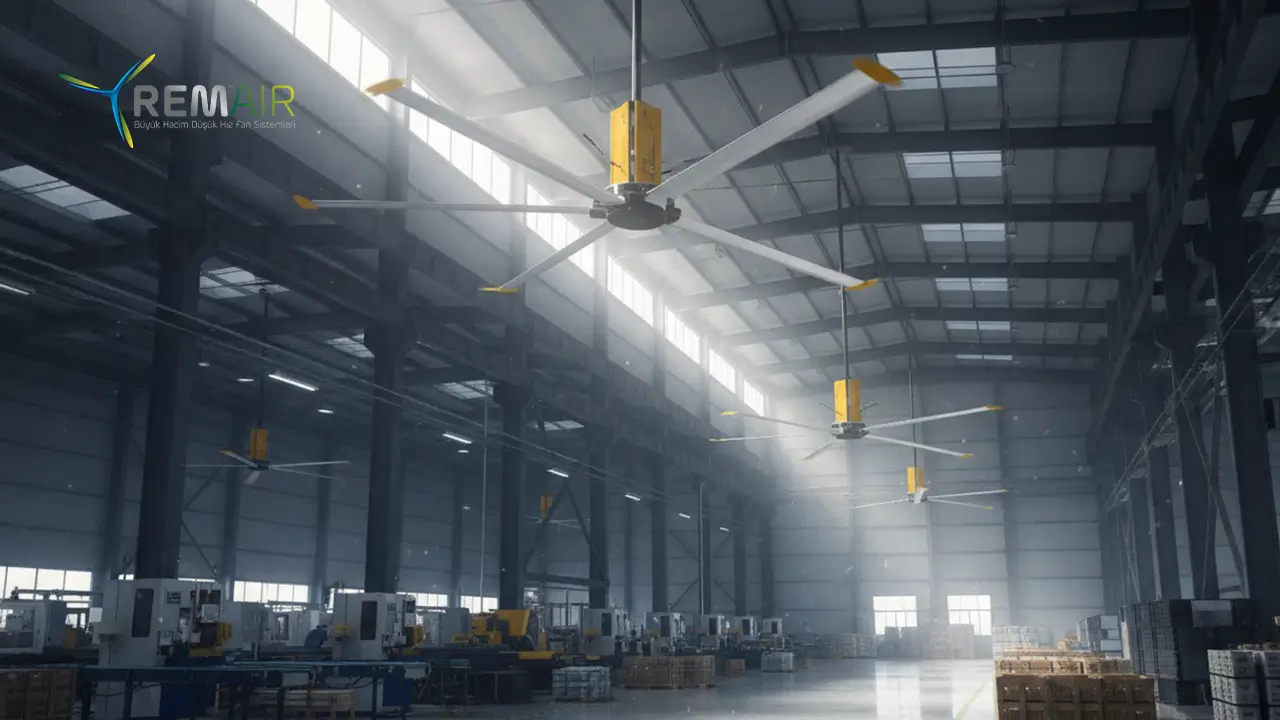
The right choice depends entirely on the size of the space and its intended use. If you want to cool a small, enclosed office quickly, air conditioning is a sensible option. However, if you are looking for comfort that reaches all employees in a large, high-ceilinged area, the helicopter fan clearly comes out ahead.
To make the decision easier, here is a short guide by type of space:
- Factories and production facilities: Helicopter fan due to the large volume and high ceiling.
- Logistics warehouses and storage facilities: Helicopter fan with ceiling mounting that does not obstruct forklift traffic.
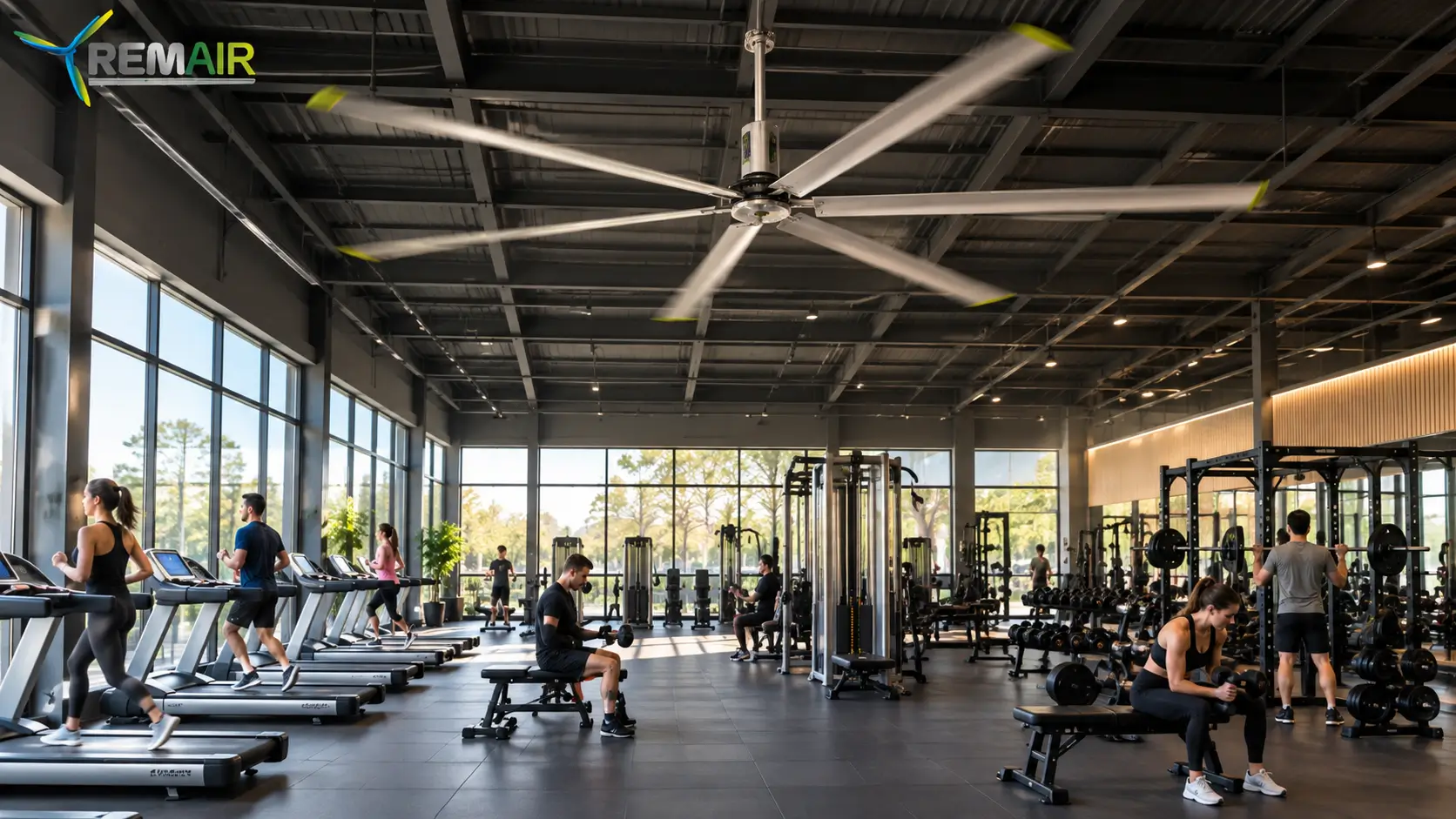
- Gyms and fitness centres: Helicopter fan for uniform cooling comfort during intense activity.
- Small offices and meeting rooms: Air conditioning if spot cooling is sufficient.
- Mosques, indoor markets and event spaces: Helicopter fan for airflow distributed from high ceilings.
- Restaurant and café kitchens: Fan and air conditioning together when the heat load is high.
As this distinction shows, the strength of fans becomes clear in large and open-volume spaces. If you would like to see which use case is suitable for your own business, the application areas page will provide concrete examples.
Effects on Health and Air Quality
The health aspect is often overlooked, but it is important for people who work in the same environment throughout the day. While air conditioning cools the air, it also reduces humidity. Spending long periods in enclosed air-conditioned environments can cause discomfort due to dry throat, eye irritation and bacteria that accumulate in filters that are not cleaned frequently.
Because a helicopter fan moves the air in its natural state, it does not disrupt the humidity level. Continuous circulation disperses hot, stagnant air that accumulates in one area. This helps the environment remain fresher, especially in production areas where odour and humidity are problems. Keeping the air from becoming stagnant also noticeably reduces the feeling of stuffiness in enclosed spaces.
In short, while air conditioning provides a cold but dry environment, a fan offers more natural and balanced air quality. In places where both systems are used together, the cold air produced by the air conditioner is distributed evenly throughout the area by the fan, combining the advantages of both technologies.
What Should You Consider When Making the Right Choice?
When deciding, you should first measure the floor area and ceiling height of your space accurately. As the area grows and the ceiling gets higher, the advantage shifts more clearly toward the helicopter fan. In small spaces with low ceilings, air conditioning may remain the more practical option. These two values are the fundamental starting point for your choice.
Secondly, the budget should be evaluated not only in terms of the purchase price but also together with long-term operating costs. A system that appears inexpensive initially may become more costly over time because of high electricity and maintenance expenses. In large spaces, the energy advantage of the fan often reverses this calculation within a short period.
Finally, technical details such as the number of blades, diameter and motor quality must be selected to suit the space. Choosing the wrong diameter will not deliver the expected efficiency even with the right product. At this point, a professional site survey and correct guidance make a major difference. To determine the most suitable solution for your space, you can reach the expert team through the contact page.
In summary, helicopter fans and air conditioners are two separate solutions that respond to different needs. For rapid cooling in small, enclosed spaces, air conditioning stands out; for economical and balanced comfort in large, high-ceilinged spaces, the helicopter fan is the stronger choice. The right decision comes from correctly understanding your space and your priorities.
Frequently Asked Questions About the Differences Between Helicopter Fans and Air Conditioners
Does a helicopter fan cool the environment like an air conditioner?
No, helicopter fans do not physically reduce the temperature of the environment. However, by circulating stagnant air with their wide blades and accelerating the evaporation of sweat, they reduce the temperature felt by the human body by several degrees and provide a natural cooling sensation.
Can a helicopter fan and an air conditioner be used together in the same environment?
Absolutely. In many cases, they make an excellent combination. The cold air produced by the air conditioner is distributed evenly to every corner of the space thanks to the massive air circulation created by the helicopter fan. This allows you to operate the air conditioners at a lower setting and save energy.
Why are helicopter fans preferred over air conditioning in large factories?
Cooling large, high-ceilinged industrial spaces with air conditioning creates enormous electricity consumption and maintenance costs. A single helicopter fan, on the other hand, provides uniform comfort over thousands of square metres with very low energy use, delivering significant savings for businesses.
Is it useful to run a helicopter fan during winter?
Yes, it provides an important advantage. In winter, heated air naturally rises to the ceiling and accumulates there. When helicopter fans are operated in reverse at low speed, they push the warm air trapped near the ceiling back toward the floor, balancing the environment and reducing heating costs.

Leave a Comment